Are you curious about how much it really costs to set up a small hydropower plant? Understanding the financial aspects of such a project is crucial, especially if you’re considering diving into the world of renewable energy.
This guide on small hydropower plant cost analysis is tailored just for you. We promise to demystify the expenses involved, from initial setup to ongoing maintenance. Imagine the potential savings on energy bills and the positive impact on the environment.
Intrigued? Keep reading to discover how investing in a small hydropower plant could be a game-changer for you.
Components Of Small Hydropower Plants
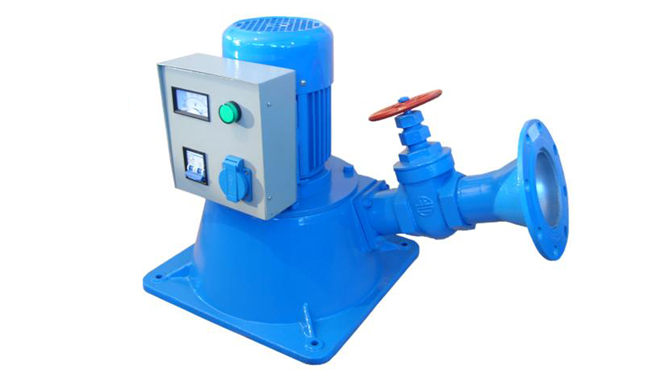
Turbinesplay a key role in hydropower plants. They convert water energy into mechanical energy. This energy turns the generators. Generators then produce electricity. Each type of turbine suits different water flows. Pelton, Francis, and Kaplanare popular types. Choosing the right turbine is vital. It affects the plant’s efficiency and cost.
Intake structuresguide water into the plant. They must be well-designed. This ensures smooth water flow. Good structures prevent debris from entering. They protect the turbines. Proper design reduces maintenance costs. It also boosts plant reliability.
Control systemsmanage the plant operations. They regulate water flow and monitor equipment. Systems alert operators to any issues. Automation in control systems is common. This improves efficiency. It also reduces human errors. A reliable system is crucial for safety.
Initial Investment Costs
Site assessment is crucial. Choosing the right location can save money. It involves environmental studies and land surveys. These help understand the land. Water flow and terrain are key factors. Costs here can vary widely. Some sites need more studies than others. Professional fees add to the cost too. This part ensures the site is ready for development.
Design and planning shape the project. Experts plan how the plant will work. This includes blueprints and technical designs. Costs depend on project size. Larger projects need more detailed plans. Equipment specs are discussed here. This phase ensures everything fits together. Budgeting happens during planning. It’s vital for smooth progress.
Construction costs are significant. Building materials and labor are major expenses. Equipment installation also adds to costs. Construction must follow the plans. Safety and quality are important. Weather can affect construction time. Delays may increase expenses. Efficient management controls costs. Monitoring keeps work on track.
Operational And Maintenance Costs
Routine maintenance keeps the hydropower plant running smoothly. Regular checks prevent breakdowns. Cleaning equipment ensures efficiency. Small issues can become big problems. Fixing them early saves money. Maintenance teams work hard. Their role is crucial. They monitor systems closely. Their work is vital.
Staffing affects costs. Well-trained staff do their jobs well. Training programs are essential. They teach skills and safety. Proper training prevents accidents. Staff feel confident and secure. Good training boosts morale. Happy staff work better. Training is an investment. It pays off in the long run.
Spare parts are necessary. They fix broken equipment. Supplies keep the plant running. Stocking spare parts is smart. It prevents long downtimes. Supplies must be reliable. They need regular updates. Good suppliers are essential. They provide quality parts. Spare parts reduce costs.
Environmental And Regulatory Costs
Small hydropower plants need careful planning. Environmental impact assessments help understand the project’s effects. They ensure water, fish, and plants stay safe. These assessments take time and money. But they are very important for nature’s health.
Building a small hydropower plant requires permits. Licensing fees can be expensive. These fees help protect water resources. They also ensure the plant follows all rules. Proper permits help avoid legal problems. This saves money in the long run.
Compliance monitoring checks if the plant follows the rules. Regular checks are done by experts. These checks ensure the plant works safely. They also protect the environment. Monitoring keeps everyone safe and happy.
Financial Incentives And Funding
Many countries offer government grantsfor small hydropower projects. These grants can help reduce the initial costs. This makes starting a project easier. Grants do not need to be paid back. They are a great way to get extra money.
Tax creditslower the amount of tax you owe. They can save project owners money. This encourages more people to build hydropower plants. Tax credits make these projects more affordable.
Loan programshelp fund hydropower projects. Banks and other organizations offer these loans. Loan programs have low interest rates. This makes borrowing money cheaper. Loans are paid back over time. They help cover the costs of building and running the plant.
Cost Comparison With Other Energy Sources
Small hydropower plants are often cheaper than solar panels. Hydropower uses water flow, while solar needs sunlight and panels. Hydropower works day and night, not just sunny days. Solar panels can be costly and need large areas. Small hydropower plants are more reliable and usually need less space. Maintenance costs for hydropower are often lower too.
Hydropower plants usually cost less than wind turbines. Wind energy depends on wind speed and direction. Hydropower uses constant water flow, making it more consistent. Wind turbines need lots of land and maintenance. Hydropower plants can be built in smaller areas. Hydropower is more stable in cost and performance.
Fossil fuels like coal and gas are often more expensive. They need constant fuel supply and transport. Hydropower uses free water, reducing fuel costs. Fossil fuels can harm the environment more. Hydropower is cleaner and safer for nature. Hydropower plants have lower operating costs over time.
Long-term Economic Benefits
Small hydropower plants can save lots of energy. They use water to make power. This power is clean and does not pollute. It helps keep the air clean. Homes and businesses can use this power. It saves money on energy bills. Over time, the savings add up.
Building hydropower plants creates many jobs. People work to build and run the plant. Jobs are needed in planning and construction. This helps families earn money. More jobs mean more people can work. This is good for the economy.
Hydropower plants can help communities grow. They bring new servicesto towns. Roads and schools may improve. Local businesses can grow too. Better power helps everyone. The community becomes stronger.
Frequently Asked Questions
What Is The Cost Of Small Hydropower Plants?
Small hydropower plants typically cost between $1,000 and $5,000 per kW installed. Costs vary depending on location, design, and capacity. Factors like site preparation and infrastructure can influence expenses. Overall, small-scale hydropower is a cost-effective renewable energy solution, providing sustainable power with relatively low operating costs.
How Is Small Hydropower Plant Cost Calculated?
The cost is calculated by considering installation, equipment, and site preparation. Maintenance and operational costs are also included. Feasibility studies help estimate total expenses. Factors like geographic location and water availability significantly affect calculations. Accurate assessments ensure efficient budgeting and project planning for small hydropower development.
Are Small Hydropower Plants Cost-effective?
Yes, small hydropower plants are generally cost-effective. They provide renewable energy with low operating costs. Initial setup costs can be high, but long-term savings are significant. Efficient design and location choice enhance cost-effectiveness. They offer reliable energy production, contributing to sustainable economic growth and environmental protection.
What Factors Impact Hydropower Plant Costs?
Several factors impact costs, including location, equipment, and capacity. Site preparation and infrastructure significantly influence expenses. Water availability and environmental considerations also play a role. Accurate cost assessments ensure effective budgeting and planning. Addressing these factors helps optimize hydropower plant investment and operation.
Conclusion
Small hydropower plants offer a cost-effective energy solution. They provide reliable power with minimal environmental impact. Initial costs can be high, but long-term savings are significant. Maintenance and operation expenses remain low. These plants also support local economies by creating jobs.
It’s vital to consider location and water flow for efficiency. Investing in small hydropower can lead to sustainable energy growth. They contribute positively to energy diversity. As technology advances, costs may decrease further. Small hydropower remains a smart choice for sustainable development.
Read More:
- Best Home Water Filtration Units: Top Picks for Clean Water
- Diy Hydroponic Grow System Guide: Cultivate Success
- Mini Hydro System Feasibility Study: Unlocking Eco Solutions
- Chemical Dosing Pump Pricing Guide: Maximize Your Investment
- Diaphragm Pump Cost Comparison: Affordable Options Unveiled
- Hydroelectric Dam Maintenance Cost Analysis: Cutting Costs
- Commercial Water Filtration System Cost: Save Money Today
- Diaphragm Pump Maintenance Tips: Ensure Peak Performance