Imagine having a sustainable and cost-effective solution to your water needs right at your fingertips. With rainwater filtration techniques, you can transform nature’s gift into a clean, reliable resource for your home or garden.
You’re probably wondering how you can make this work for you and what the benefits might be. By diving into the world of rainwater filtration, you’ll discover not only how easy it is but also how it can save you money and contribute to a healthier planet.
Get ready to unlock the secrets of capturing and purifying rainwater, and see how this can make a real difference in your life. Keep reading to explore the practical steps and expert tips that can empower you to harness the pure potential of rainwater.
Importance Of Rainwater Filtration
Rainwater filtrationkeeps our water clean and safe. It removes dirt and germs. Dirty water can make us sick. Clean water is good for drinking. It is also good for watering plants. Clean rainwater helps the environment too.
Filtration systems use simple tools. These tools trap bad things in water. Sand filters are very common. They are like big, sandy nets. Another tool is the charcoal filter. Charcoal takes out bad smells and tastes. Both are easy to use.
Rainwater filters are good for homes. They save money on water bills. They are also good for the planet. Using less city water helps save resources. Everyone can help by using rainwater filters. It is a small step for a big change.

Basic Filtration Methods
Screen filters stop large particles from entering the water. The filter is like a mesh. It catches sticks and leaves. They are easy to clean. Water passes through, leaving dirt behind. Screen filters need regular checks. They work best with clean water. These filters are great for first steps. They are simple and effective. They keep your water clean and safe.
Sand filters use sand to clean water. Water flows through the sand layer. Dirt stays in the sand. Clean water comes out. Sand filters are used in pools and homes. They are good for removing small particles. Sand filters need cleaning often. Sand can last a long time. They make water sparkling clean. Sand filters are easy to use. They are popular around the world.
Advanced Filtration Techniques
Exploring rainwater filtration techniques reveals methods to purify water for safe use. Techniques like sedimentation and charcoal filtration help remove impurities. Efficient filtration systems ensure collected rainwater is clean and suitable for various applications.
Reverse Osmosis
Reverse osmosis is a popular method for filtering rainwater. It uses a special membrane to remove impurities. Tiny pores in the membrane catch dirt and germs. Clean water passes through these pores. This method is effective for removing salt, chlorine, and other contaminants. Reverse osmosis systems can be installed at home easily. They help ensure the water is safe to drink.
Ultraviolet Purification
Ultraviolet purification uses light to kill germs. UV light is strong and invisible. It targets bacteria and viruses in the water. This method is fast and doesn’t change the taste of the water. You need a special UV light machine for this process. It is a useful method for making rainwater safe. Many people use it to keep their drinking water clean and germ-free.
Natural Filtration Solutions
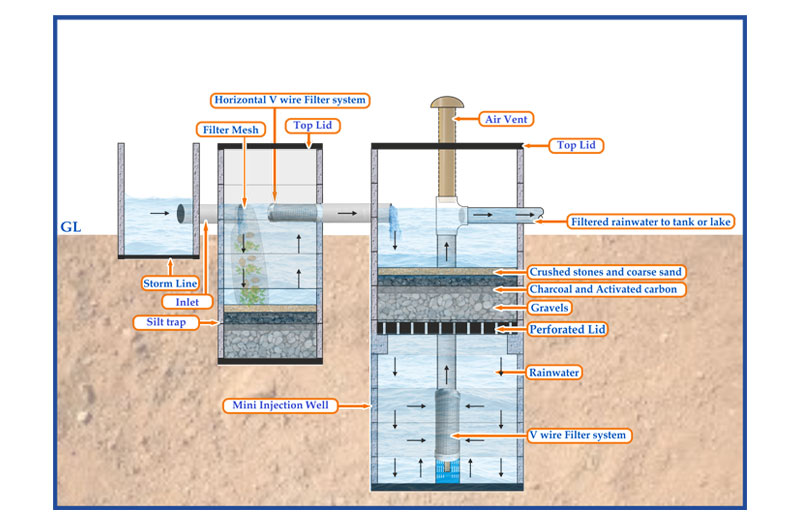
Biofiltration uses plants and soil to clean water. Water flows through a bed of gravel and sand. Here, plants and microbes work hard. They remove dirt and germs. This method is eco-friendly. It is also cost-effective. Clean water flows out, ready for use.
Wetland systems are nature’s water filters. Water moves slowly through wetland areas. Plants, soil, and microbes do the cleaning. They trap and remove pollutants. Wetlands support wildlife too. They are home to many birds and insects. This makes them important for the environment. Wetlands need space to work well. They might not fit in small areas.
Diy Filtration Systems
Creating a homemade water filter can be simple and fun. You need a few things to get started. Use a plastic bottle, gravel, sand, and charcoal. These materials are easy to find. Cut the bottle in half. Use the top half as your filter. Place the materials in layers. First, add the charcoal. It helps to remove bad smells. Then, add sand. Sand traps dirt. Finally, place gravel. Gravel keeps bigger particles out. Pour water through the filter slowly. Watch as the water becomes clear.
Building a water filter at home does not need to be costly. Use items from around the house. Plastic bottles, old coffee filters, and cotton can be used. They are cheap and effective. Charcoal from used barbecues works too. Get creative with what you have. Reusing materials is both smart and eco-friendly. This method saves money and helps the planet.
Filtration System Maintenance
Keep the filtration system clean. It helps in proper working. Dirt and debris can block the system. Clean the filters often. Use clean water for rinsing. Ensure all parts are clear. This prevents clogs. Regular cleaning keeps water safe. Clean systems work better.
Some parts need changing. Filters wear out with time. Check them often. Replace them when needed. Old parts can cause issues. New parts improve performance. Ensure you use the right size. This keeps the system working well. Always keep a spare part handy. Good parts mean good water.
Environmental And Health Benefits
Rainwater filtration helps the environment and keeps it clean. It stops pollution from reaching rivers and lakes. Clean rainwater helps plants grow strong and healthy. It also saves water for the future. This is very important.
Filtered rainwater is safe for drinking and cooking. It has no harmful chemicals. It keeps families healthy. People get sick less often. Clean water is a gift.
Communities with rainwater filters use less bottled water. This reduces plastic waste. It also cuts costs for buying water. Everyone can help the planet.
Challenges And Limitations
Setting up a rainwater filtration systemcan be expensive. The initial cost might include pipes, filters, and storage tanks. Labor fees add to the expense. Some systems need regular checks and maintenance. This can increase the overall cost. Not everyone can afford these costs easily.
Rainwater systems may not work well all the time. Some systems might not filter out all dirt or chemicals. This can make the water not safe to use. System efficiency can drop if parts break or clog. Sometimes, the system needs upgrades to improve its efficiency. Upgrades can be costly, adding to the challenge.
Future Innovations
Smart filters are changing how we clean rainwater. These filters can think. They know when to work harder. They can talk to our phones. This helps us save water. It also makes sure water is clean. Sensors in these filters check for dirt. If they find dirt, they clean more. This keeps water safe. Filters like this are easy to use. Many people can have clean water at home. This means less water wasted. More clean water for everyone.
Many people want to save our planet. They use natural filters for rainwater. These filters use sand and plants. Sand catches dirt. Plants eat bad stuff. This makes water clean. Reusing water is also smart. People use rainwater for gardens. This saves water. It helps plants grow. Some people use special tanks. These tanks save rainwater for later. It is a great way to be kind to Earth.
Frequently Asked Questions
How Does Rainwater Filtration Work?
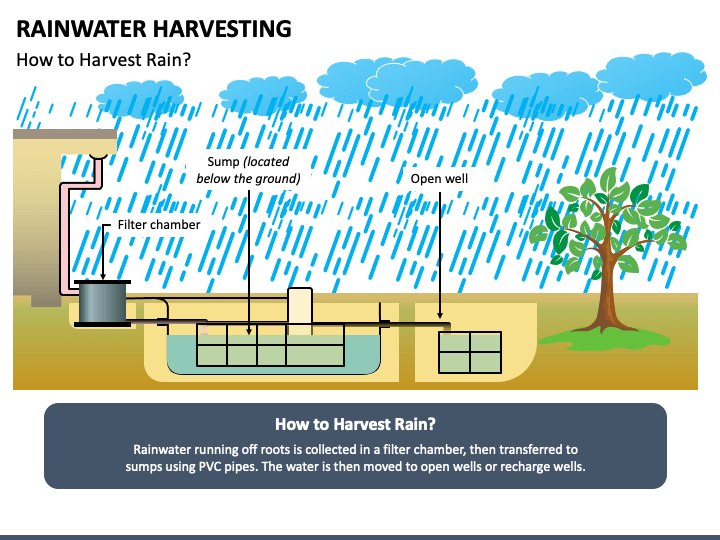
Rainwater filtration involves removing contaminants from collected rainwater. It uses physical barriers, chemical processes, or biological systems. This ensures water is safe for use. Filtration systems vary from simple mesh screens to advanced purification units. Proper filtration enhances water quality and safety.
What Are Common Rainwater Filtration Methods?
Common methods include sediment filters, activated carbon filters, and UV purification. Sediment filters remove large particles. Activated carbon targets organic contaminants. UV purification kills microorganisms. Each method offers unique advantages. Combining methods often results in optimal filtration.
Is Rainwater Safe After Filtration?
Yes, rainwater is generally safe after proper filtration. Filtration removes harmful impurities and pathogens. Regular maintenance of filtration systems ensures effectiveness. It’s crucial to monitor water quality periodically. This guarantees safety for drinking, cooking, or gardening purposes.
Can Rainwater Be Filtered For Drinking?
Yes, rainwater can be filtered for drinking. Using advanced filtration methods like UV and activated carbon ensures safety. Proper systems remove harmful bacteria, viruses, and pollutants. Regular monitoring and maintenance are essential. This guarantees the water remains safe for consumption.
Conclusion
Rainwater filtration is essential for safe water use. Effective techniques ensure clean, drinkable water. Simple systems can make a big difference. Consider your needs and environment. Choose the right method for your home. Maintenance is key for efficiency. Regular checks prevent problems and ensure safety.
Sustainable practices benefit both you and the planet. Collecting and filtering rainwater helps conserve resources. Start small and expand as needed. Every drop counts towards a healthier future. Make rainwater filtration a part of your routine. Enjoy the benefits of fresh, filtered water every day.
Read More:
- Best Home Water Filtration Units: Top Picks for Clean Water
- Diy Hydroponic Grow System Guide: Cultivate Success
- Mini Hydro System Feasibility Study: Unlocking Eco Solutions
- Chemical Dosing Pump Pricing Guide: Maximize Your Investment
- Diaphragm Pump Cost Comparison: Affordable Options Unveiled
- Hydroelectric Dam Maintenance Cost Analysis: Cutting Costs
- Commercial Water Filtration System Cost: Save Money Today
- Diaphragm Pump Maintenance Tips: Ensure Peak Performance