Are you considering diving into the world of commercial hydroponic farming? If so, you’re likely curious about the return on investment (ROI) that this innovative farming method can bring to your table.
Imagine a farming system that not only maximizes your space but also promises faster growth cycles and higher yields. Intrigued? You should be! Understanding the potential ROI of a commercial hydroponic farm could be the game-changer your agricultural venture needs.
This isn’t just about growing plants; it’s about growing profits. Get ready to discover how you can transform your investment into a flourishing, sustainable business that thrives on efficiency and innovation. Keep reading to uncover the financial secrets that could elevate your farming enterprise to new heights.

Hydroponic Farming Basics
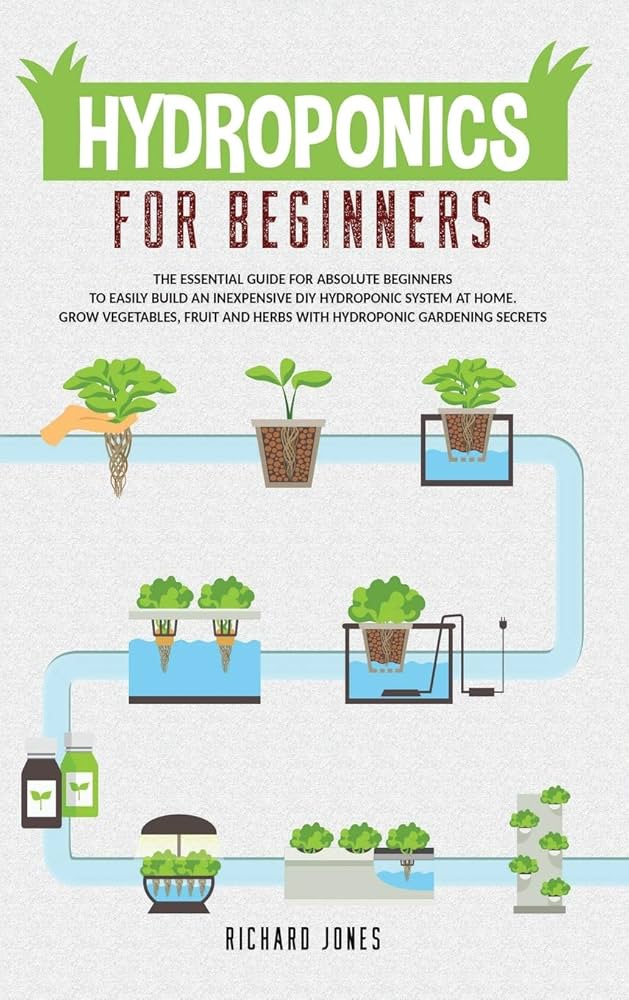
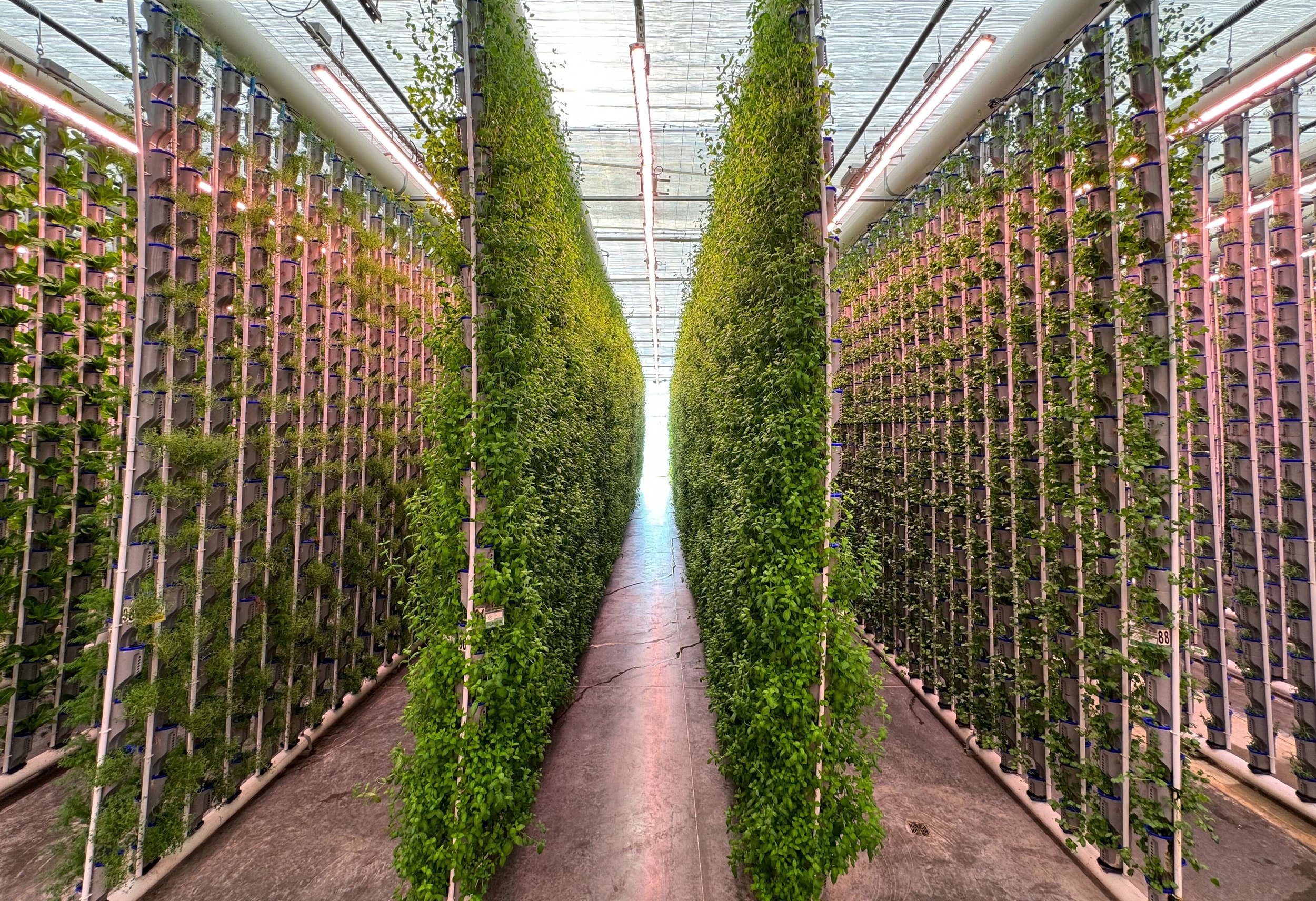
Plants grow without soil in hydroponics. They use water and nutrients. Hydroponics saves space. It grows crops faster. Farmers control everything. Light. Water. Nutrients. It is useful indoors. It is also used in greenhouses. Plants grow in nutrient solutions. They grow better and stronger.
There are many systems. Wick system is simple. Water moves up a wick to plants. Flood and drain system floods plants with water. Then it drains away. Nutrient film technique flows water past roots. Aeroponics sprays roots with water mist. Deep water culture keeps roots in water all the time. Each system has its benefits.
Key Factors For Roi
Initial costs are big for hydroponic farms. Buildings and systems need money. Quality materials cost more but last longer. Choose wisely. Equipment like lights and pumps are needed. They cost lots of money. Starting a farm needs planning and a budget. Money spent at the start affects future earnings.
Costs for running the farm are important. Electricity bills are high for lights and pumps. Water usage costs money too. Labor is another cost. Workers need fair pay. Maintenance of equipment is regular. This adds to costs. Keeping track of expenses is key. Cutting unnecessary costs helps the farm grow.
Picking the right crops is vital. Popular crops sell better. Tomatoes and lettuce are good choices. They grow well in hydroponics. Market demand affects profit. Climate is also a factor. Some crops need warm areas. Others need cooler places. Choosing the right crop impacts earnings. Research helps in making smart choices.
Optimizing Yield
Plants need the right balance of nutrients. Too much or too little can hurt growth. It’s crucial to monitor and adjust nutrients regularly. Hydroponic farms often use liquid nutrient solutions. These solutions deliver nutrients directly to plant roots. Keeping the pH levels stable is vital for nutrient absorption. Regular checks ensure plants get what they need. Proper nutrient management leads to healthier and stronger plants.
Light is essential for plant growth. LED lights are popular in hydroponics. They use less energy and last longer. Different plants need different light wavelengths. Adjusting light intensity helps plants grow better. Timers can automate light cycles, ensuring consistency. Good lighting boosts plant health and yield.
Temperature and humidity affect plant growth. Climate control systems maintain ideal conditions. Fans and heaters are useful tools. They help regulate air temperature. Humidity levels need regular checks too. High humidity can lead to mold problems. Keeping climate stable ensures plants grow well and stay healthy.

Market Strategies
Focus on local markets can boost farm profits. Selling fresh produce locally saves on transport costs. Customers prefer fresh and local products. This helps in building trust and brand loyalty. Connecting with local grocery stores is wise. Farmers’ markets are great too. They provide direct contact with buyers.
Online sales open up new opportunities. Setting up an online store is simple. This allows reaching more customers. Social media can help in advertising products. People spend a lot of time online. Sharing farm stories and pictures engages them. This builds a strong online community.
Working with others can be very beneficial. Collaborations with restaurants can increase sales. Restaurants need fresh ingredients regularly. Partnering with schools is another option. Schools want fresh produce for healthy meals. Teaming up with other farms is helpful too. It can improve resource sharing and reduce costs.
Technology Integration
Automation tools help farmers save time. They can water plants automatically. This means less work for people. These tools reduce human error. Plants get water when they need it. Farmers can control the tools with a phone. This makes farming easy. It also helps plants grow better. Farmers can do more work in less time.
Data analytics helps farmers understand plants better. It shows them how plants are growing. Farmers collect data every day. They can see which plants grow fast. They also see which need help. This helps in making smart choices. Farmers can use this data to make better plans. It helps in growing more plants.
Advanced monitoring systems watch over plants. They tell farmers about plant health. These systems check temperature, light, and water. Farmers get alerts if something is wrong. This helps keep plants safe. Monitoring systems are like eyes for farmers. They make sure everything is okay. This helps plants grow strong.
Sustainability Practices
Water is precious. Hydroponic farms use less water than traditional farms. This method recycles water. Plants grow with fewer resources. Saving water helps the environment. Farmers see lower bills. This is good for the planet and the wallet.
Many farms use solar panels. These panels capture sunlight. Sunlight is free and clean. Using solar energy reduces electricity costs. Wind power is another choice. Farms can use wind turbines. These create energy from the wind. Both ways help the Earth and save money.
Hydroponic farms produce less waste. Waste gets turned into compost. This compost feeds plants again. Recycling waste helps the farm. It also helps nature. Farms also use biodegradable materials. These break down easily. They do not harm the planet.
Financial Planning
Start with a clear budget plan. Write down all expenses. Include equipment, seeds, and water costs. Don’t forget electricity bills. Keep track of labor costs. Always have a backup for unexpected expenses. Save some money for emergencies. Check your budget every month. Adjust it if needed.
Estimate your income first. How much will you sell? Calculate the price of each crop. Multiply by the number of crops. This gives your total revenue. Subtract expenses from revenue. This shows your profit. Keep an eye on market prices. They can change. Plan for seasonal changes too.
Identify potential risks early. Weather can affect crops. Equipment might break. Workers might get sick. Plan for these risks. Get insurance for your farm. Have a backup plan for each risk. Train workers to handle emergencies. Review risk plans regularly. Make changes as needed.

Success Stories
Many farmers have found success with hydroponic farms. One such farmer is John. He started small but grew his farm over time. His farm now supplies fresh produce to local markets. Another farmer, Linda, decided to focus on leafy greens. Her yields doubled within a year. Both farmers saw a positive return on investment. Their stories inspire many new farmers today.
Top farmers share valuable insights. They emphasize the importance of quality. Good seeds lead to better crops. They also stress on careful water management. Efficient water use saves money and resources. Monitoring plant health is vital too. Healthy plants mean higher profits. These lessons help new farmers succeed.
Frequently Asked Questions
What Is Hydroponic Farming Roi?
Hydroponic farming ROI refers to the return on investment from commercial hydroponic systems. It’s crucial for assessing profitability. ROI depends on factors like crop type, system size, and market prices. Efficient systems can yield high returns. Regular monitoring and adjustments can maximize your hydroponic farm’s ROI.
How To Calculate Hydroponic Farm Roi?
Calculating ROI involves assessing total costs versus revenues generated. Include setup, operational, and maintenance expenses. Factor in crop yield and market pricing. Divide net profit by total investment cost, then multiply by 100 for percentage. Regular financial reviews help improve accuracy and profitability.
What Affects Hydroponic Farm Roi?
Several factors impact hydroponic farm ROI, including crop selection, system efficiency, and market demand. Energy costs and labor expenses also play a role. Optimizing system operations can enhance yield and reduce costs. Regular market research ensures competitive pricing and maximizes ROI.
Is Hydroponic Farming Profitable?
Hydroponic farming can be highly profitable with efficient systems and high-demand crops. Initial setup costs are significant, but long-term savings and high yields can offset them. Market research and strategic planning are essential for profitability. Sustainable practices also contribute to long-term success.
Conclusion
Achieving a successful ROI in commercial hydroponics requires careful planning. Invest wisely in quality materials and efficient systems. Monitor plant growth and manage resources effectively. Regularly analyze your costs and profits. Stay updated with industry trends and innovations. These efforts help maximize returns and improve farm productivity.
Patience and dedication are key to long-term success. With time, expertise grows, leading to better results. Remember, every farm has unique challenges and opportunities. Adapt to your specific needs and conditions. This approach ensures a thriving hydroponic business with a promising ROI.
Read More:
- Best Home Water Filtration Units: Top Picks for Clean Water
- Diy Hydroponic Grow System Guide: Cultivate Success
- Mini Hydro System Feasibility Study: Unlocking Eco Solutions
- Chemical Dosing Pump Pricing Guide: Maximize Your Investment
- Diaphragm Pump Cost Comparison: Affordable Options Unveiled
- Hydroelectric Dam Maintenance Cost Analysis: Cutting Costs
- Commercial Water Filtration System Cost: Save Money Today
- Diaphragm Pump Maintenance Tips: Ensure Peak Performance