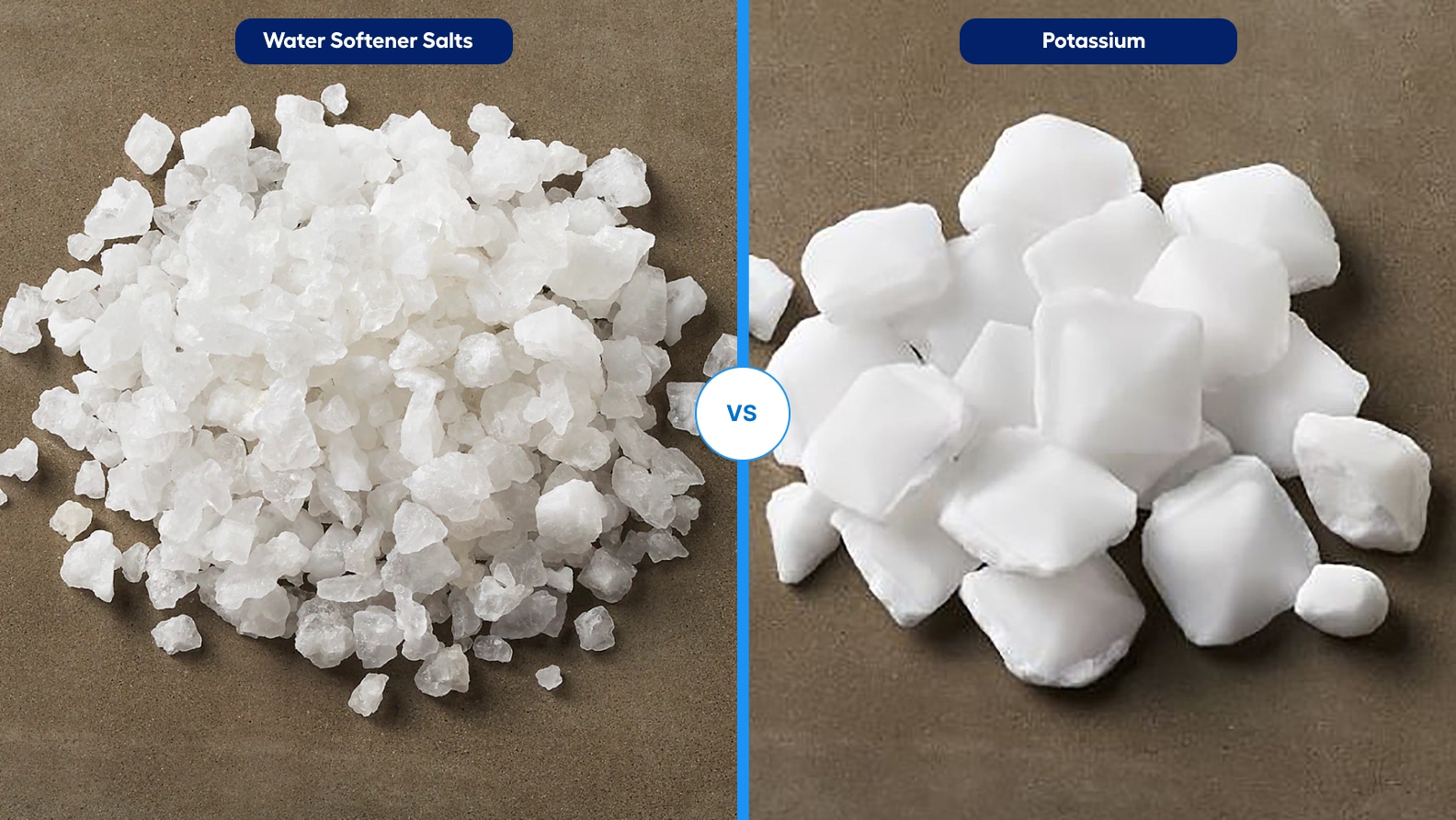
Are you concerned about the quality of your drinking water? You’re not alone.
Ensuring the water you and your family consume is clean and safe is a top priority for many. But with so many chemical treatments available, how do you know which one is the best for your needs? The solution lies in understanding the most effective methods to purify your water.
In this guide, you’ll discover the best chemical treatments for drinking water, cutting through the complexity to find what works best for you. Prepare to uncover vital insights that will empower you to make informed choices, keeping your loved ones safe and healthy. Stay with us to ensure every sip you take is as pure as it should be.
Chemical Treatment Basics
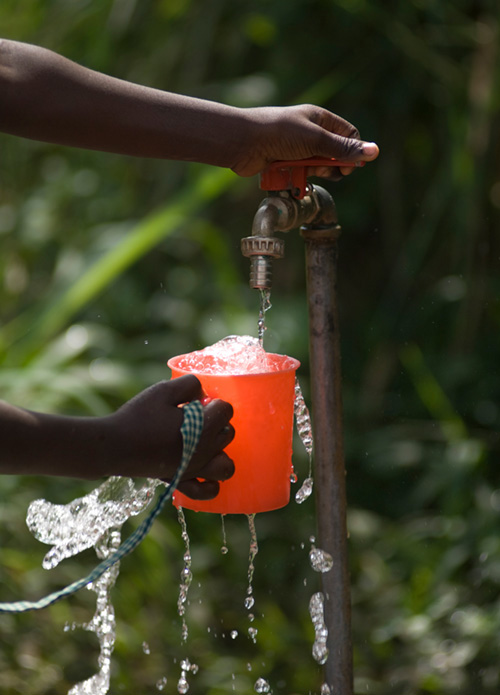
Clean drinking wateris vital for health. Chemicals help remove bad things. They kill germs. They clean water for drinking. Good treatment stops sickness. It keeps water safe and fresh. Water treatment plantsuse these methods. They make sure water is safe for everyone. Proper chemical use is key. It keeps water pure and healthy.
Some chemicals are used often. Chlorinekills germs fast. It keeps water clean. Alumis used for clear water. It helps dirt settle. Fluorideprotects teeth. It is added to water. These chemicals are safe. They make water ready to drink. Each has a special job. Together, they keep water safe.
Disinfection Methods
Chlorination is a common method to clean water. It uses chlorine to kill bacteria and germs. This process is safe and cost-effective. Chlorine must be used correctly. Too much chlorine can be harmful. It leaves a smell in the water. But it keeps water safe from diseases.
Ozonation uses ozone gas to purify water. Ozone is strong and effective. It kills many types of germs. This method does not leave any smell. Ozonation is quick and works well. But it can be more expensive than other methods. It requires special equipment.
UV light is another way to clean water. It uses light to kill germs. This method is safe and does not change the taste of water. UV light works fast and leaves no chemicals. But it only works when water is clear. Dirty water blocks the light.
Coagulation And Flocculation
Coagulation and flocculation help clean water. Coagulation adds chemicals to water. These chemicals make dirt and particles stick together. Flocculation stirs the water. This process creates larger clumps called flocs. Flocs are easier to remove. Clean water comes from removing these flocs. This method is important for making water safe.
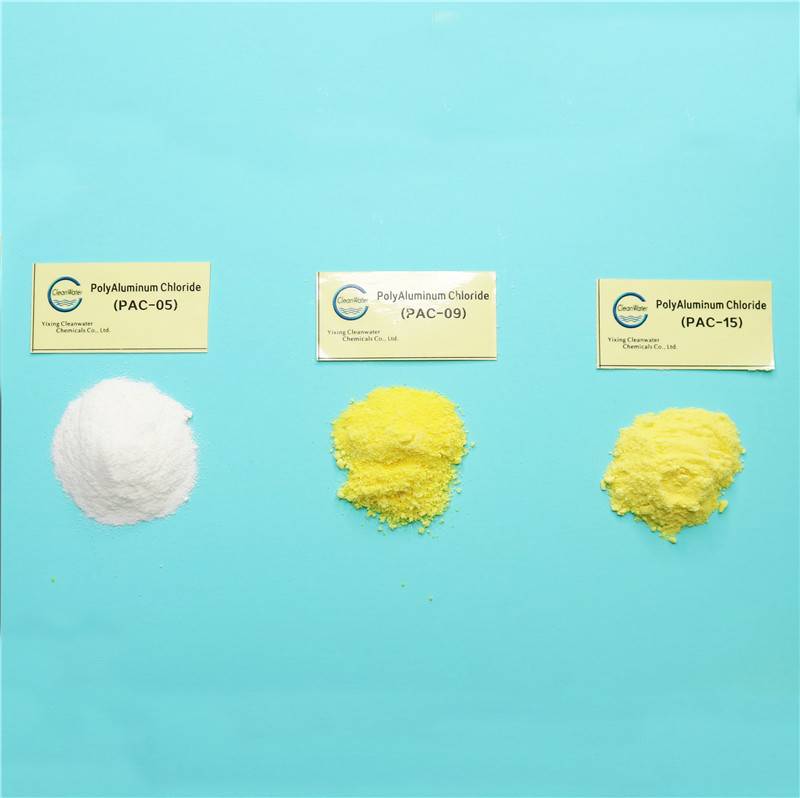
Many chemicals help in this process. Aluminum sulfate is common. It helps particles stick together. Ferric chloride is another choice. It works well in cold water. Polymers are also used. They help make bigger flocs. Each chemical has a special job. Choosing the right one is important. Clean water depends on good chemicals.
Ph Adjustment
Water pH affects taste and safety. Safe drinking water needs a balanced pH. Too low or high pH can cause problems. Acidic water can damage pipes. It also affects teeth and skin. Alkaline water might taste strange. Balanced pH helps keep water safe and pleasant.
Different chemicals adjust water pH. Lime raises water pH. It makes water less acidic. Sodium carbonate is another option. It also increases pH. For lowering pH, sulfuric acid is used. It makes water less alkaline. Carbon dioxide can also lower pH. These agents help keep water safe to drink.
Removal Of Contaminants
Drinking water often contains heavy metals like lead and mercury. These metals are dangerous for health. Chemical treatments help remove these metals. Activated carbon filters are effective. They trap metals and chemicals. Reverse osmosis is another method. It pushes water through a special membrane. This membrane catches metals and chemicals. Ion exchange also works well. It swaps harmful ions for safe ones. Water becomes cleaner and safer.
Water may have organic impurities like pesticides. These can harm health. Chemical treatments remove them. Oxidation is a helpful process. It breaks down organic matter. Chlorination kills harmful organisms. It makes water safe to drink. UV light is also used. It destroys germs and viruses. These methods clean water effectively.
Advanced Treatment Techniques
Ion exchange is a powerful method. It removes unwanted ions from water. This process swaps harmful ions with safe ones. The method is common for water softening. It also removes nitrates and other contaminants. Resin beads are the secret here. They hold the good ions. When water passes through, the swap happens. The result? Clean and safe water.
Reverse osmosis is a smart way to clean water. It uses a special membrane to block impurities. Water passes through this membrane. The bad stuff stays behind. Only pure water gets through. This method removes salt and many pollutants. It’s also very effective for desalination. Reverse osmosis makes water taste fresh and pure. A great choice for safe drinking water.
Safety And Environmental Considerations
Choosing the best chemical treatment for drinking water ensures safety and reduces environmental impact. Safe treatments protect health by eliminating harmful contaminants. Environmentally friendly methods minimize pollution and conserve resources.
Impact On Health
Drinking water must be safe for everyone. Harmful chemicals can make people sick. Chemical treatments help clean water. Some chemicals can still be dangerous. Chlorine kills germs but can irritate skin and eyes. It’s important to use just the right amount. Fluoride protects teeth but too much can cause problems. Safe water keeps families healthy.
Eco-friendly Alternatives
Nature-friendly choices are better for our planet. Ozone purifies water without leaving harmful traces. It breaks down quickly and is safe. UV light kills germs without adding chemicals. It’s clean and efficient. Activated carbon filters remove pollutants naturally. They help maintain water’s taste and smell. These methods protect water and the earth.
Choosing The Right Treatment
Knowing the water quality is very important. This helps in choosing the best treatment. Water might have harmful germs. It could also have chemicals. Testing the water is the first step. The test results will show if there are any problems. Professionals help in testing the water. They use special tools to get the best results.
Budget is key when picking a treatment. Some treatments are cheap. Others can be expensive. It depends on the problem. The treatment must be effective. It should clean the water well. A balance between cost and effectiveness is important. Choose what gives the best value. Always think of safety first.
Frequently Asked Questions
What Is The Best Chemical For Water Purification?
The best chemical for water purification is chlorine. It’s widely used to kill bacteria and pathogens. Chlorine ensures safe drinking water by effectively eliminating harmful microorganisms. It is cost-effective and easy to use, making it a popular choice worldwide for treating drinking water.
How Does Ozone Treatment Work For Drinking Water?
Ozone treatment involves using ozone gas to disinfect water. It effectively destroys bacteria, viruses, and other pathogens. Ozone is a powerful oxidizer, making it highly efficient for purification. It leaves no harmful residues, ensuring water safety without affecting taste or odor.
Is Uv Light Effective For Water Treatment?
Yes, UV light is effective for water treatment. It kills bacteria, viruses, and microorganisms by disrupting their DNA. UV treatment is chemical-free and doesn’t alter water taste. It provides a reliable method for ensuring safe drinking water, especially in residential and commercial applications.
Why Is Activated Carbon Used In Water Treatment?
Activated carbon is used to remove impurities from water. It effectively adsorbs organic compounds, chlorine, and odors. This improves water taste and quality. Activated carbon is widely used in filtration systems for both residential and industrial applications, ensuring cleaner and safer drinking water.
Conclusion
Choosing the right chemical treatment ensures safe drinking water. It protects health. Chlorine and ozone are effective options. They kill harmful bacteria and viruses. Activated carbon filters remove bad tastes and odors. They improve water quality. Consider local water conditions when selecting a treatment.
Consult experts for the best choice. Always prioritize safety and quality. Regular monitoring is crucial for effectiveness. Clean water is vital for life. Make informed decisions for your household. Enjoy the peace of mind from pure, clean water. Stay healthy and hydrated with the right treatment.
Read More:
- Best Home Water Filtration Units: Top Picks for Clean Water
- Diy Hydroponic Grow System Guide: Cultivate Success
- Mini Hydro System Feasibility Study: Unlocking Eco Solutions
- Chemical Dosing Pump Pricing Guide: Maximize Your Investment
- Diaphragm Pump Cost Comparison: Affordable Options Unveiled
- Hydroelectric Dam Maintenance Cost Analysis: Cutting Costs
- Commercial Water Filtration System Cost: Save Money Today
- Diaphragm Pump Maintenance Tips: Ensure Peak Performance