Imagine harnessing the power of flowing water right in your backyard to generate electricity. Off-grid micro-hydro power solutions make this possible, offering you a sustainable and reliable energy source.
Whether you’re living in a remote area or simply want to reduce your dependence on traditional power grids, these systems could be the perfect fit for you. As you explore the potential of micro-hydro power, you’ll discover the benefits it brings to your life—lower energy bills, a smaller carbon footprint, and independence from fluctuating electricity prices.
So, why settle for conventional energy when you can tap into nature’s resources? Let’s delve into how off-grid micro-hydro power solutions can transform your energy consumption and bring you closer to self-sufficiency.
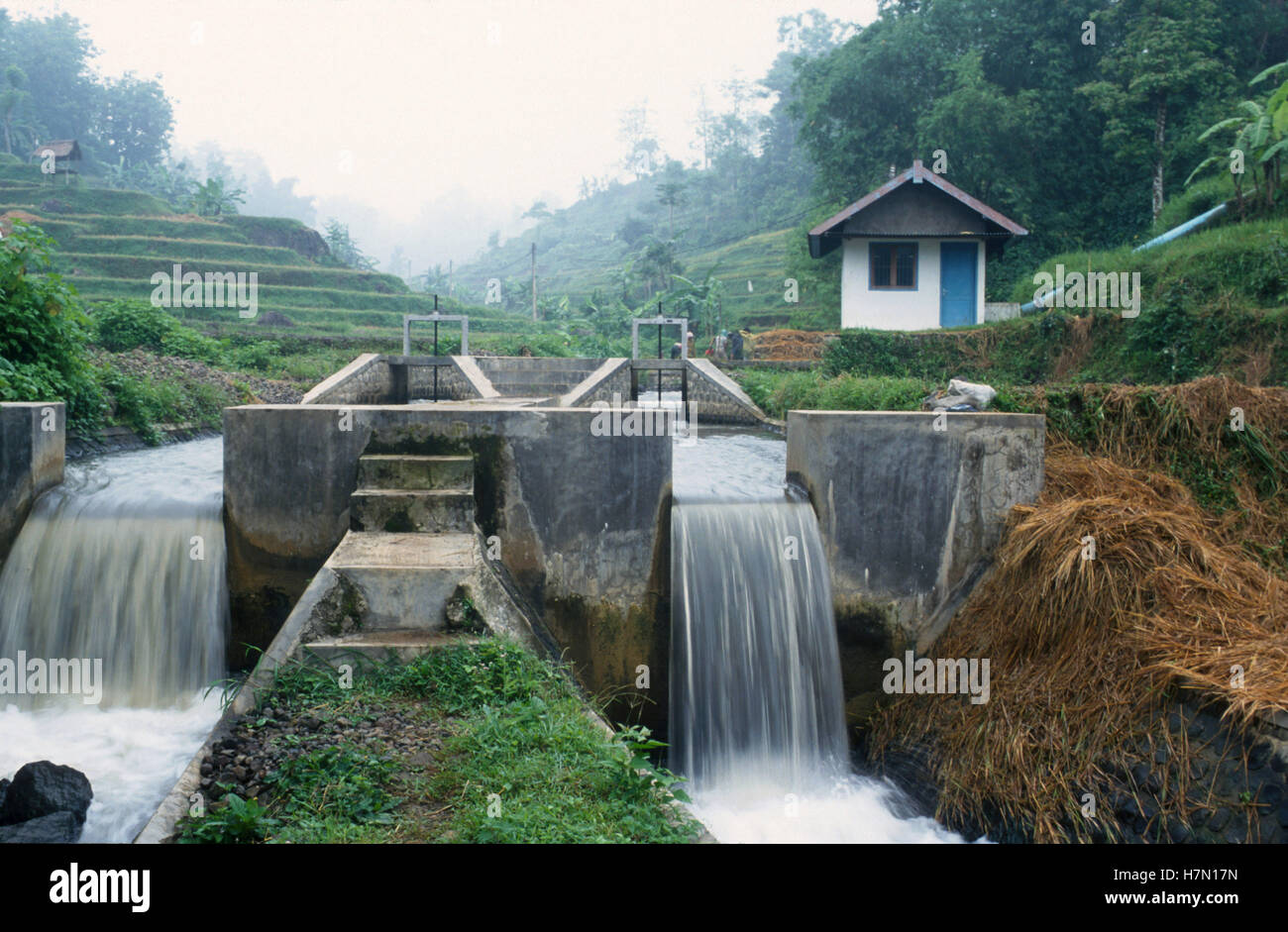
Off-grid Micro-hydro Basics
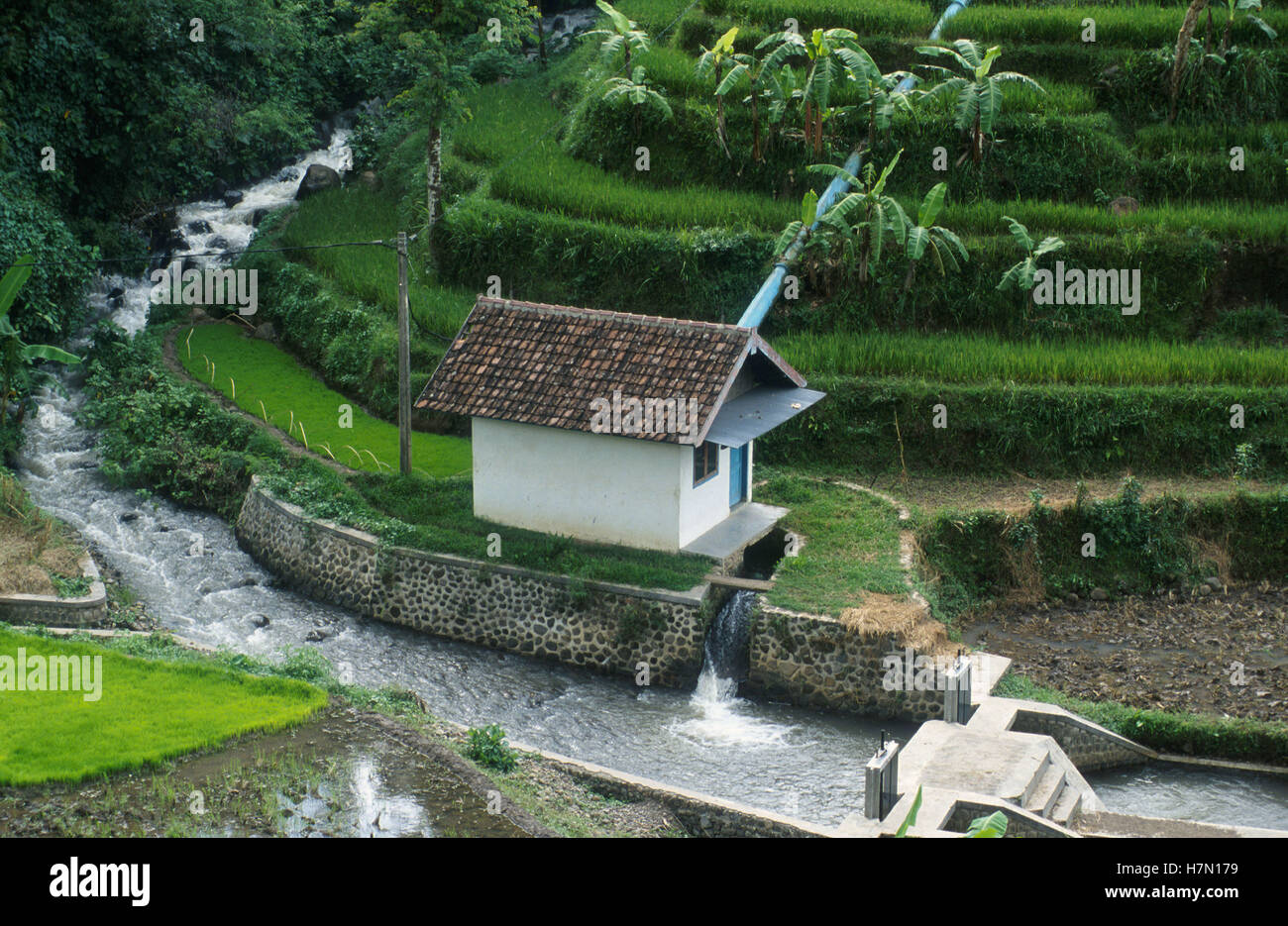
Micro-hydro systems use water flowto generate electricity. These systems are small. They are perfect for remote areas. Water from a stream or river is directed through a pipe. This pipe leads to a turbine. The turbine spins. It creates energy. This energy powers homes and small businesses. Micro-hydro systems are cost-effective. They need little maintenance. They are environment-friendly. They do not pollute air or water. They work day and night. Rainfall can change water flow. Systems can adjust to these changes. Micro-hydro systems are a smart choice for off-grid living.

Benefits Of Micro-hydro Power
Micro-hydro power is a clean energy source. It does not pollute air or water. Rivers and streams power these systems. This makes them very sustainable. Fish and wildlife are safe. Plants stay green and lush. They help keep our planet healthy.
Building micro-hydro systems costs less than big power plants. They use natural water flow. This means lower bills each month. Maintenance is simple and cheap. Over time, they save lots of money. Families and communities can spend on other needs.
Micro-hydro systems provide steady energy. Even when big grids fail, they keep working. People can rely on them anytime. They offer freedom from large companies. Families can control their own energy. This brings peace of mind.
Key Components Of Micro-hydro Systems
Water is the power source for micro-hydro systems. A steady flow of water is crucial. The water’s speed affects energy production. More flow means more energy. Always choose a clean and reliable source. Avoid polluted water. It can damage system parts. A good source ensures better performance.
Turbines are the main parts that turn water into energy. They spin when water hits them. This spinning powers the generator. Generators change the spin into electricity. Choosing the right turbine is important. It depends on water flow and height. Generators must match the turbine. Together, they create power.
Control systems manage power flow. They keep everything safe. Distribution systems send electricity to where it’s needed. They connect homes and appliances. Good control ensures stable power. It prevents overloads and damage. Distribution systems must be strong and reliable. They handle the electricity’s journey.
Site Selection Criteria
Water is key for micro-hydro power. Check the flow and volume of water. It should be consistent all year. Seasonal changes can affect power output. Look for a steady water source. This ensures reliable energy production.
Terrain impacts installation. Flat land is easier to work on. Hills may need extra equipment. Access to the site matters too. Roads help in transporting materials. Remote areas are difficult to reach. Choose a site that is easy to access. This saves time and money.
Protect nature while setting up power systems. Avoid harm to plants and animals. Respect local ecosystems. Follow rules for environmental safety. Balance energy needs with nature preservation. This keeps the site sustainable and safe.
Installation And Maintenance
Installing off-grid micro-hydro power solutions requires careful planning and skilled labor. Regular maintenance ensures efficiency and extends system life.
Step-by-step Installation Process
Begin by choosing the right spot for the micro-hydro system. It should have a steady flow of water. Next, gather all necessary tools and materials. Install the intake structure to guide water into the system. Connect pipes securely to avoid leaks. Position the generator at the right angle. Connect the wiring from the generator to the energy storage system. Double-check all connections. Test the system to ensure it works properly.
Routine Maintenance Practices
Regular checks keep the system working well. Clear debris from the intake to maintain water flow. Inspect pipes for any wear and tear. Check the generator for signs of damage. Ensure all electrical connections are secure. Lubricate moving parts to reduce friction. Replace worn-out parts as needed. Keep detailed records of maintenance activities.
Troubleshooting Common Issues
Identify problems early to fix them quickly. Low power output may be due to blocked intake. Check for obstructions in the waterway. Strange noises often mean a loose part. Tighten any loose screws or bolts. Electrical faults can cause issues. Inspect wiring for damage or corrosion. Seek expert help if problems persist.
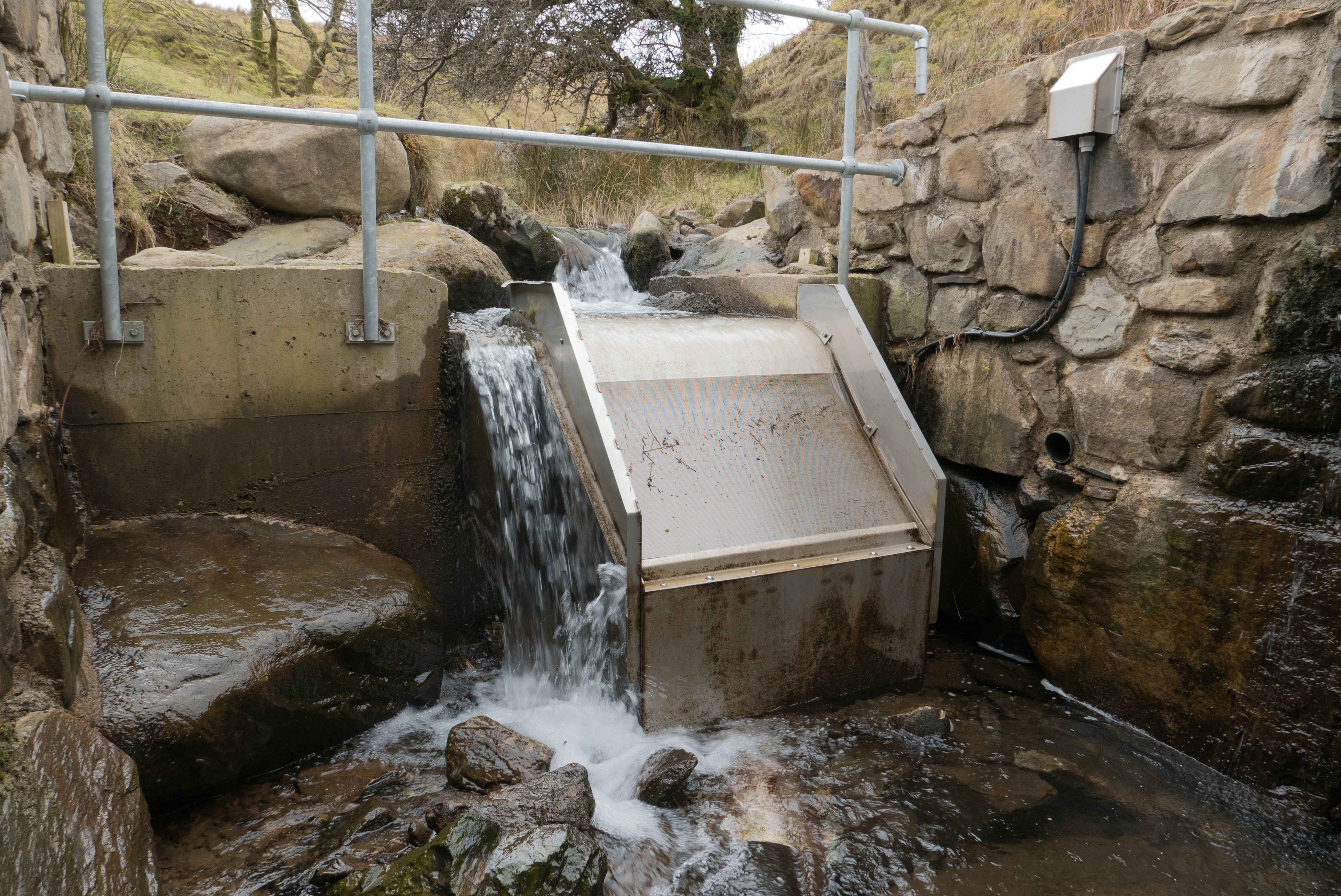
Case Studies Of Successful Implementations
Small villages now have power every day. Families use lights at night. Children can study after dark. Farmers run water pumps to grow more food. This helps everyone. Life is better with consistent electricity. The village school now has computers. Kids learn and have fun.
Micro-hydro systems help small shops. They use power to run machines. This means more products to sell. Shop owners make more money. Now, they can hire workers. This creates new jobs in the village. Everyone benefits when businesses grow.
Local groups and companies work together. They build and maintain the systems. This keeps everything running well. Training is given to local people. They learn to fix problems. This knowledge stays in the community. With teamwork, projects succeed.
Future Of Micro-hydro Technology
Micro-hydro technology is growing fast. Smaller turbines are now more efficient. They can work in low-water areas. This helps in places with little rain. Digital tools help monitor the systems. They make sure everything works well. This means less manual work. People can now use apps to check their systems. It’s like having a power plant on your phone.
Many places can use micro-hydro power. Not just in cities. Rural areas benefit a lot. They get clean energy. This means less smoke from burning wood. More homes can have electricity. Schools can have lights. This is very important for learning. Even small factories can work better.
Countries are looking at micro-hydro power. It’s clean and cheap. Many developing nations like it. They want to use local water for power. Governments support these projects. They offer funds and training. This helps more people get electricity. It also protects the environment.
Frequently Asked Questions
What Is Off-grid Micro-hydro Power?
Off-grid micro-hydro power refers to generating electricity from water flow without connecting to the main grid. It’s a sustainable and cost-effective solution for remote areas. It harnesses natural water sources like streams or rivers to produce energy. This method is eco-friendly and reduces reliance on fossil fuels.
How Does A Micro-hydro System Work?
A micro-hydro system converts the energy from flowing water into electricity. Water is diverted through a channel to spin a turbine. This spinning turbine drives a generator to produce electricity. The generated power can be used immediately or stored in batteries.
It’s efficient and works continuously if water flow is steady.
Why Choose Micro-hydro Over Solar?
Micro-hydro power provides a consistent energy supply, unlike solar which depends on sunlight. It operates day and night, offering reliability in areas with water resources. It’s efficient and can produce more energy than solar panels. Ideal for regions with consistent water flow, it minimizes energy storage needs.
Is Micro-hydro Power Environmentally Friendly?
Yes, micro-hydro power is environmentally friendly. It uses natural water flow without emitting greenhouse gases. It has minimal impact on the environment and preserves natural habitats. Unlike large dams, it doesn’t require significant alterations to waterways. It’s a sustainable energy source that supports ecological balance.
Conclusion
Exploring off-grid micro-hydro power offers sustainable energy solutions. These systems harness water’s natural flow efficiently. Ideal for remote areas needing reliable power. They reduce reliance on fossil fuels and lower energy costs. Installation requires careful planning and maintenance. But the benefits are significant.
Cleaner energy. Less environmental impact. Off-grid micro-hydro systems provide a dependable power source. A smart choice for green energy enthusiasts. Embrace this eco-friendly technology. It supports a sustainable future. Perfect for communities seeking energy independence. Consider micro-hydro solutions for your energy needs.
A step towards a greener tomorrow.
Read More:
- Best Home Water Filtration Units: Top Picks for Clean Water
- Diy Hydroponic Grow System Guide: Cultivate Success
- Mini Hydro System Feasibility Study: Unlocking Eco Solutions
- Chemical Dosing Pump Pricing Guide: Maximize Your Investment
- Diaphragm Pump Cost Comparison: Affordable Options Unveiled
- Hydroelectric Dam Maintenance Cost Analysis: Cutting Costs
- Commercial Water Filtration System Cost: Save Money Today
- Diaphragm Pump Maintenance Tips: Ensure Peak Performance