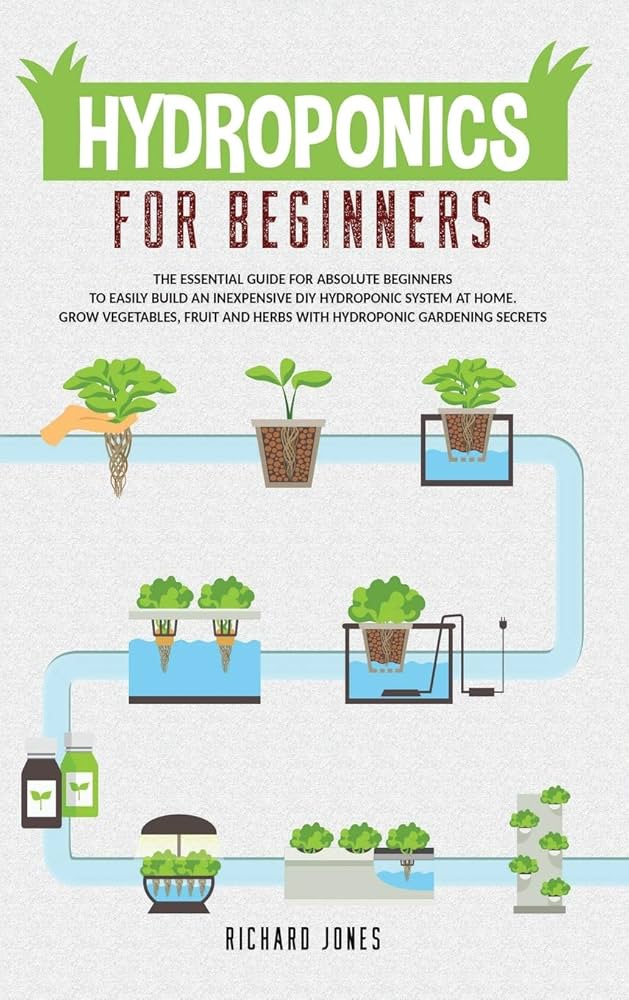
Are you curious about growing your own plants without soil? Hydroponic systems might just be the answer you’ve been looking for.
But before you dive in, it’s important to understand the costs involved in setting up one of these innovative systems. Knowing what to expect financially can help you make informed decisions and avoid surprises along the way. By the end of this article, you’ll have a clear picture of what it takes to get your hydroponic system up and running.
You’ll learn how to make smart choices that fit your budget and gardening goals. Let’s explore the costs together and see how you can start growing fresh, healthy produce right in your own home.

Hydroponics Basics
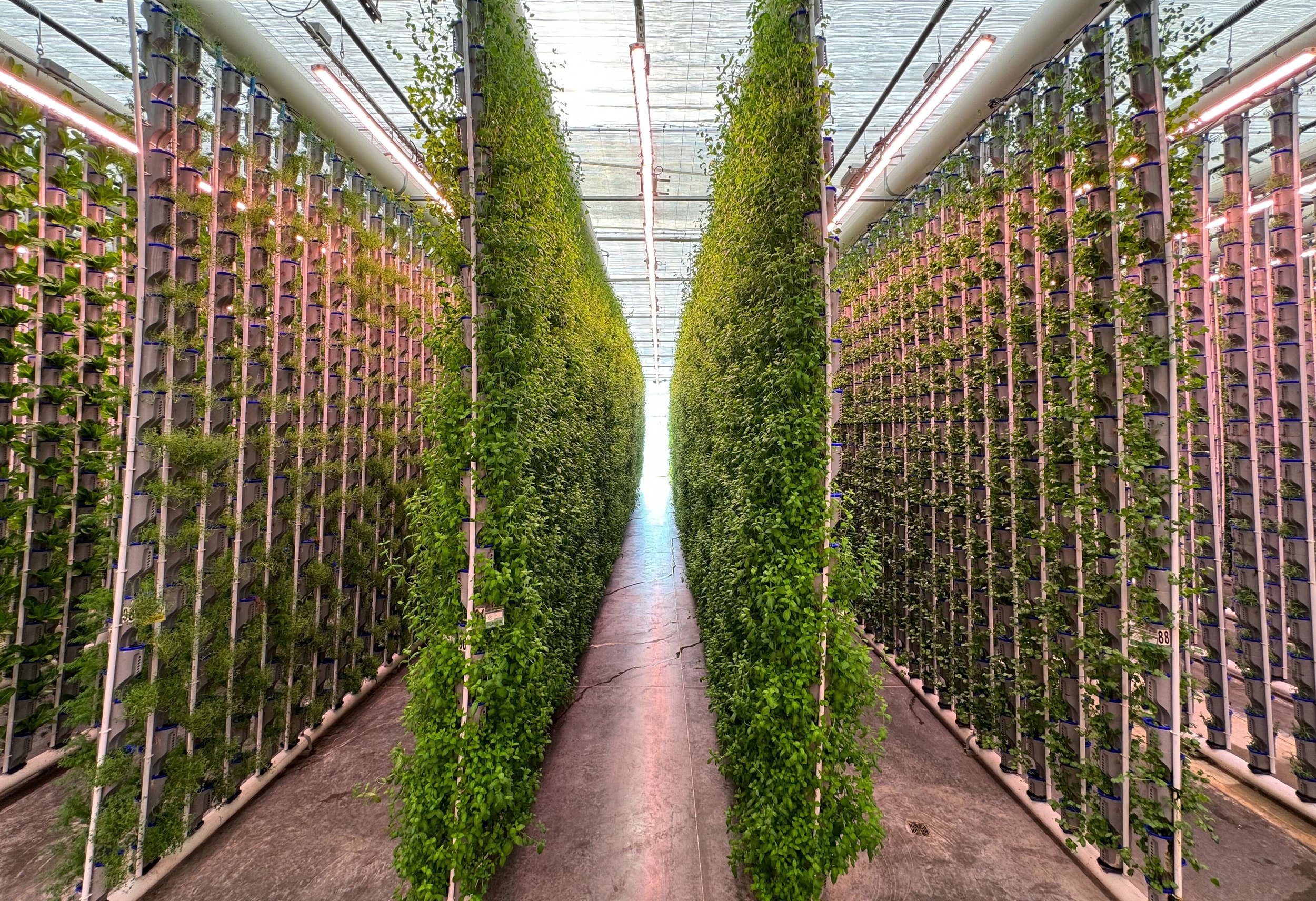
Hydroponics is a way to grow plants without soil. Plants grow in water mixed with nutrients. This method helps plants grow faster and stronger. It saves water and space. Farmers can grow plants indoors. No need for large fields. Hydroponics is popular for growing vegetables and herbs.
Hydroponicsuses less water than soil farming. It also saves space. Plants grow faster and produce more food. Indoor growing keeps plants safe from weather. Pests and diseases are less common. Farmers have more control over plant growth. No need for pesticides. More plants can grow in small areas. This helps in cities with little space. Fresh food is available year-round.
Initial Investment
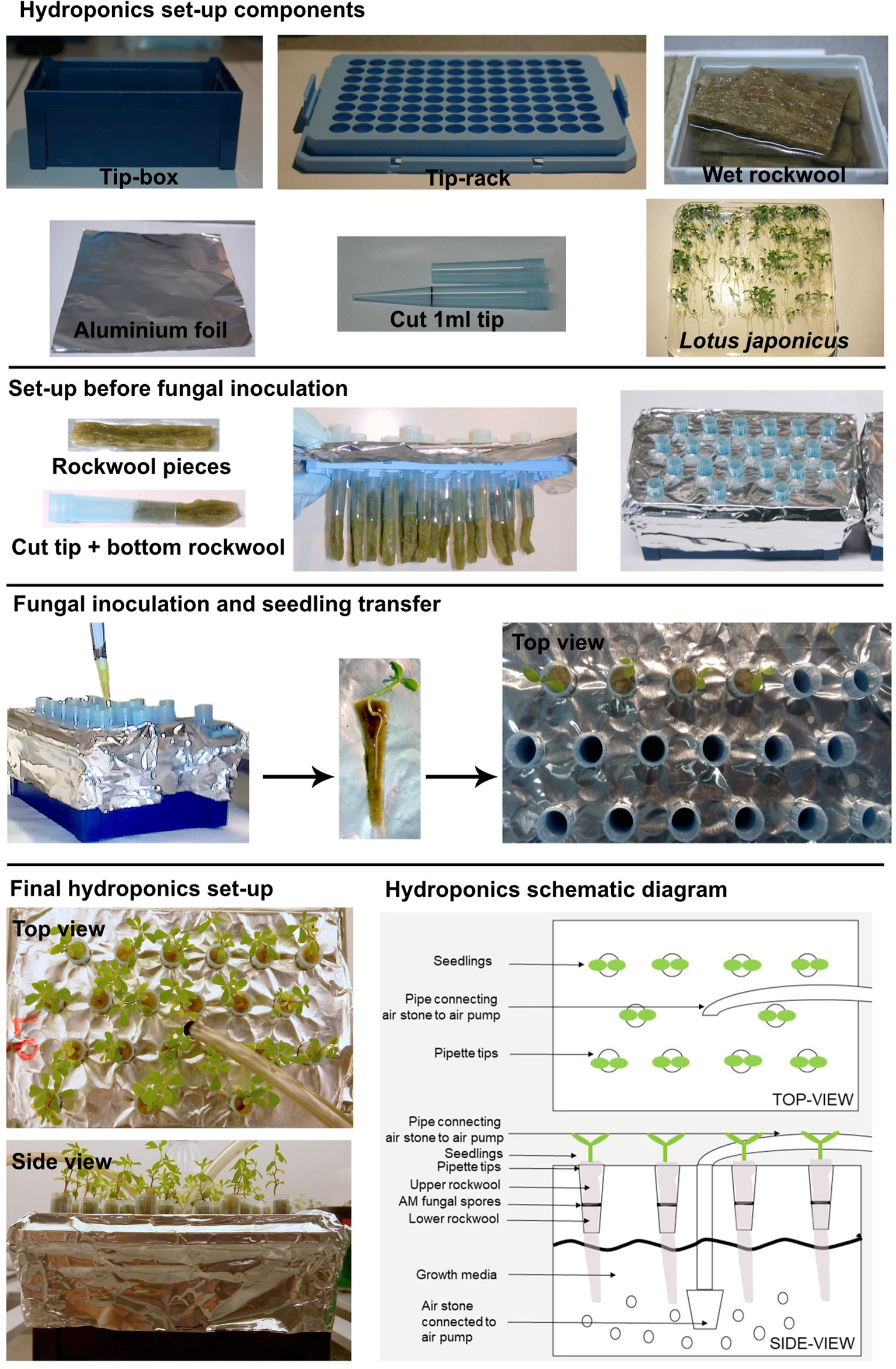
Setting up a hydroponic system requires some basic tools. You need grow lights to help plants grow. Water pumps are crucial for circulating water. Nutrient solutions feed the plants. Growing containers hold the plants securely. A pH meter checks the water’s acidity. Each piece of equipment serves a special role. Costs vary based on quality and size. Budgeting is important to avoid overspending.
Hydroponics need space for setup. Small systems can fit on a table. Larger setups might need a whole room. Vertical systems save space by stacking plants. Plan space based on plant type. Consider airflow and light access. Space impacts plant health and growth. Choose wisely to maximize yield.
Affordable System Options
Building a DIY hydroponic system is a fun project. It can also save you money. Many materials are easy to find. Use items like buckets, pipes, and net pots. Old soda bottles work well too. Keep it simple to start.
Growing plants this way is efficient. Water and nutrients go straight to the roots. This means plants grow faster and healthier. Test different setups to see what works best.
Many kits on the market are affordable. Kits include all necessary parts. You get the tank, pump, and lights. Some kits even come with seeds. This makes them great for beginners. They are easy to set up. Just follow the instructions.
Buying a kit saves time. You do not need to find parts separately. Kits are perfect for small spaces. You can grow herbs or small vegetables. Kits help you start growing at home quickly.

Cost-saving Strategies
Use old containers for plant holders. Plastic bottles work well. Cut them and make pots. Recycled wood can build frames. Save money and reduce waste. Collect rainwater for plants. It’s free and natural. Use it to water your garden. Old newspapers make great mulch. Keep the soil moist and warm. Reuse everything you can find. Be creative and resourceful.
Use LED lights for growing plants. They save energy and last long. Timers help control light use. Set them to turn off when not needed. Solar panels are good for power. They harness free energy from the sun. Insulation keeps the system warm. Use it to save heat and energy. Be smart with energy choices. Save money and help the earth.
Maintenance Expenses
Nutrient solutions are vital for plant growth. These solutions need regular checks. Quality nutrients ensure healthy plants. Costs vary based on brand and quality. Budget-friendly options exist. Some solutions last longer. Others require frequent changes. Mixing nutrients is essential. Follow instructions for best results. Proper balance prevents plant stress. Avoid over or underfeeding plants. A simple routine keeps costs manageable.
System upkeep involves regular cleaning. Dirt can clog parts. Clean filters often. Check pumps for smooth operation. Ensure no leaks. Inspect lights monthly. Replace if needed. Monitor water levels weekly. Keep systems running efficiently. Small tasks prevent big issues. Regular maintenance saves money. A clean system means better growth. Routine checks keep everything safe.
Long-term Savings
Hydroponic systems can produce more plants than soil. This means more vegetables and fruits. More plants lead to more food. Families save money by growing their own food. It is fresh and often tastier.
Hydroponic systems use less water. Only the roots get wet. Less water means lower bills. Saving water is good for the planet. It’s good for your wallet too.
Case Studies
Exploring hydroponic system setup costs reveals insights into equipment and materials expenses. This case study examines budget-friendly and premium options. It highlights the financial considerations for starting a hydroponic garden.
Success Stories
Many people have found success with hydroponic systems. One farmer grew fresh vegetables all year round. He saved money on water and soil. His plants grew faster and were very healthy. Another person set up a small hydroponic garden at home. She enjoyed fresh herbs every day. Her family loved the taste of fresh mint and basil. These stories show how hydroponics can work for anyone.
Lessons Learned
Some learned that starting small is wise. They found it easier to manage. Others realized the importance of proper lighting. Plants need enough light to grow well. Keeping the system clean is also key. Dirty systems can harm plants. Regular checks help keep everything in order. These lessons help others avoid common mistakes. Learning from others can make hydroponics easier.
Frequently Asked Questions
What Is The Initial Cost Of Hydroponic Setup?
The initial cost of a hydroponic setup can vary widely. Small home systems may cost around $50 to $100. Larger commercial systems might reach several thousand dollars. Factors like system type, materials, and scale affect the total expense. It’s important to plan your budget accordingly.
Are Hydroponic Systems Expensive To Maintain?
Hydroponic systems can be cost-effective to maintain. Regular expenses include nutrient solutions, electricity, and water. These costs depend on system size and crop type. Efficient systems can minimize expenses and save money in the long run. Proper maintenance ensures optimal growth and yield.
How Do Setup Costs Compare To Traditional Farming?
Hydroponic setups can initially be more expensive than traditional farming. However, they offer benefits like less space and water usage. Long-term savings can outweigh initial costs. Hydroponics provides faster growth rates and higher yields, making it a viable investment over time.
Can I Set Up A Hydroponic System At Home?
Yes, setting up a home hydroponic system is feasible. Kits are available for beginners, starting at around $50. These kits offer simple assembly and maintenance. Home systems are ideal for growing herbs and small plants. They provide an efficient way to experiment with sustainable gardening.
Conclusion
Setting up a hydroponic system can be cost-effective. Initial expenses vary by system type and scale. Smaller setups require less investment. Larger ones might need more funds. Consider factors like equipment, nutrients, and maintenance. Research and plan carefully to avoid overspending.
DIY options can reduce costs. Local suppliers may offer better deals. Remember, a well-planned system saves money over time. With dedication, hydroponics offers fresh produce year-round. A rewarding venture for those willing to invest wisely. Start small, learn, and expand gradually.
Enjoy the benefits of your own hydroponic garden.
Read More:
- Best Home Water Filtration Units: Top Picks for Clean Water
- Diy Hydroponic Grow System Guide: Cultivate Success
- Mini Hydro System Feasibility Study: Unlocking Eco Solutions
- Chemical Dosing Pump Pricing Guide: Maximize Your Investment
- Diaphragm Pump Cost Comparison: Affordable Options Unveiled
- Hydroelectric Dam Maintenance Cost Analysis: Cutting Costs
- Commercial Water Filtration System Cost: Save Money Today
- Diaphragm Pump Maintenance Tips: Ensure Peak Performance