
Are you curious about the cost of installing a rainwater harvesting system in your home? Imagine not only saving money on your water bills but also making a positive impact on the environment.
This practical and sustainable solution can seem like a significant investment, but understanding the costs involved can help you make an informed decision. You might be wondering what factors influence these costs and whether it’s worth it for your household.
You’ll discover a breakdown of the expenses associated with setting up a rainwater harvesting system, helping you weigh the benefits against the initial outlay. Dive in to find out how you can turn raindrops into savings for your home.
Benefits Of Rainwater Harvesting
Rainwater harvesting helps save the environment. It reduces water runoff. This prevents soil erosion. It also decreases the risk of flooding. Plants and animals benefit. They get cleaner water. Natural water cycles stay balanced. Air pollution gets reduced. Less water treatment means less energy use. This helps the planet stay healthy.
Using rainwater saves money. Water bills become lower. This helps families save cash. Less need for public water systems. Maintenance costs drop. Initial setup costs might be high. But savings over time are big. Cheaper than buying bottled water. Good for people who like to save.
Rainwater harvesting conserves water. Freshwater sources stay full longer. People use rainwater for gardens. Less strain on public water systems. More water for future generations. Simple methods help save. Collect and store rainwater. Every drop counts. Wise way to use Earth’s resources.
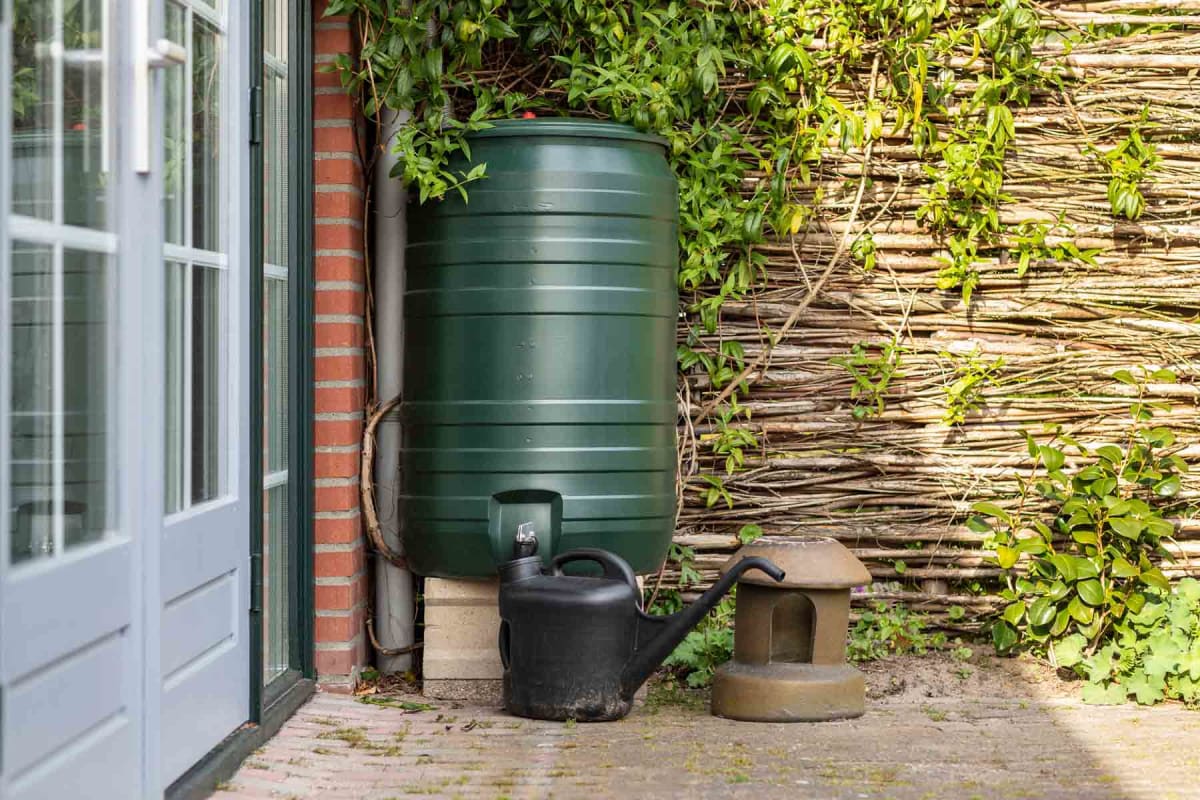
Components Of A Rainwater Harvesting System
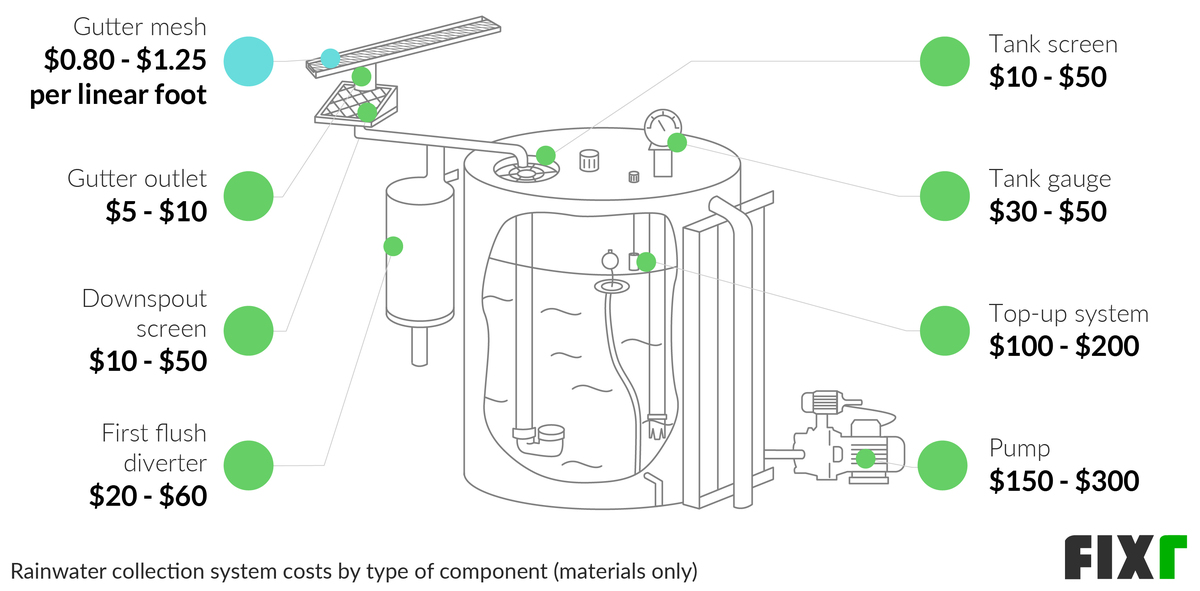
A rainwater harvesting system cost involves several key parts. Collection surfaces, storage tanks, and filtration units make up the system. Each component plays a role in the overall expense.
Catchment Area
The catchment area is where rainwater collects. It can be your roof. Roofs made of smooth materials collect more water. Metal roofs work best. They are easy to clean. They don’t hold dirt.
Gutters And Downspouts
Gutters guide water from the roof to the tank. They must be clean. Leaves and dirt block them. Downspouts move water down from the gutters. They need to be wide. This lets more water flow.
Storage Tanks
Storage tanks hold the rainwater. They can be big or small. Bigger tanks hold more water. Tanks must be strong. They keep water safe and clean. Plastic tanks are common. They are less expensive.
Filtration Systems
Filtration systems clean the water. They remove dirt and bugs. Water passes through filters. Filters can be small or big. Bigger filters clean better. Clean water is safe to use.
Factors Affecting System Cost
System size affects the cost. Bigger systems cost more. Capacity matters too. Larger capacity means more tanks. More tanks increase the price. Small systems suit homes. Large systems suit farms and schools. Choose the right size for your needs.
Materials play a big role in cost. Plastic tanks are cheaper. Metal tanks cost more but last longer. Installation costs add up fast. Professional installation can be expensive. DIY installation saves money. Think about the materials and installation costs before buying.
Maintenance is important. Regular checks keep systems working. Upkeep costs vary. Cleaning filters can be simple. Repairs might cost more. Check the system often to avoid big problems. Good upkeep saves money over time.
Cost-saving Tips
Doing the installation yourself can save money. Hiring professionals is costly. Look for easy-to-follow guides online. Many resources are free. Start with a small project. Learn as you go. Make sure to follow safety tips. Ask friends for help if needed.
Some governments offer incentives for rainwater systems. Check local programs. You might get tax breaks or rebates. This can lower your costs. Apply early to secure benefits. Stay updated with program changes. Every bit of help counts.
Use cheap, yet reliable materials. Plastic barrels are often inexpensive. PVC pipes work well for connections. Look for sales or discounts. Second-hand materials can also be useful. Always inspect for quality. Saving money should not mean poor quality.
Long-term Financial Benefits
Installing a rainwater harvesting system can save money. Collecting rainwater reduces the need for tap water. This means lower water bills each month. Families can use rainwater for gardens. They can also use it for flushing toilets. Over time, the savings add up. Less money spent on water means more savings for other things. Rainwater is free and good for the earth.
Homes with rainwater systems are attractive. Buyers like homes that save money. A rainwater system makes a home more valuable. It shows the home is eco-friendly. Many people want to live green. This system can be a selling point. It makes the home stand out. Investing in rainwater can lead to higher home prices. It’s a smart choice for the future.

Case Studies Of Successful Implementations
Many families use rainwater harvesting systems at home. These systems help save water. In one home, a family of four saved 50% on their water bill. They collected rainwater from their roof. The collected water was used for gardens and toilets. This system was easy to set up.
Another family installed a large tank in their yard. The tank holds 1,000 gallons of water. They use this water for washing cars and watering plants. The cost was affordable. It paid for itself in two years.
Some businesses use rainwater systems too. A shopping mall used harvested rainwater for their gardens. This helped them save a lot of money. They reduced their water bills by 30%.
A factory used rainwater for cooling machines. This saved them from buying extra water. The system was set up with pipes and tanks. It was a good investment. They saved both money and water.
Frequently Asked Questions
What Is The Cost Of Rainwater Harvesting Systems?
Rainwater harvesting system costs vary based on size and complexity. Basic systems may start at $200. Comprehensive systems can exceed $5,000. Installation and maintenance costs should also be considered. Additionally, local government incentives may reduce overall expenses. Investing in rainwater harvesting can lead to long-term savings on water bills.
Are Rainwater Harvesting Systems Expensive To Maintain?
Maintenance costs for rainwater harvesting systems are generally low. Regular cleaning of gutters and tanks is essential. Filters may require occasional replacement. Annual inspections ensure optimal performance. Proper maintenance extends the system’s lifespan, reducing overall costs. DIY maintenance can further save money, making these systems cost-effective in the long run.
Do Rainwater Harvesting Systems Save Money?
Rainwater harvesting systems can save money by reducing water bills. Collecting rainwater minimizes reliance on municipal water. Over time, savings outweigh initial setup costs. Government incentives may further reduce expenses. Efficient use of harvested rainwater for irrigation and household needs enhances cost-effectiveness.
This sustainable practice also helps conserve resources.
How Long Does Installation Take For These Systems?
Installation time for rainwater harvesting systems depends on their complexity. Simple systems can be installed within a day. Larger systems may take several days. Professional installation ensures efficiency and reliability. Factors like site conditions and system size affect timelines. Planning ahead can streamline the installation process.
Conclusion
Rainwater harvesting offers a sustainable water solution. It’s cost-effective and eco-friendly. Initial setup costs vary, but savings grow over time. Maintenance needs are minimal, ensuring long-term benefits. Each system can reduce water bills significantly. This practice helps conserve water resources.
Many find it a wise investment. It supports environmental efforts too. Consider local regulations and incentives. They can impact costs and savings. Research different system types before deciding. This ensures you choose the right one. Proper planning is key. Rainwater harvesting is both practical and beneficial for many households.
Embrace this method for a sustainable future.
Read More:
- Best Home Water Filtration Units: Top Picks for Clean Water
- Diy Hydroponic Grow System Guide: Cultivate Success
- Mini Hydro System Feasibility Study: Unlocking Eco Solutions
- Chemical Dosing Pump Pricing Guide: Maximize Your Investment
- Diaphragm Pump Cost Comparison: Affordable Options Unveiled
- Hydroelectric Dam Maintenance Cost Analysis: Cutting Costs
- Commercial Water Filtration System Cost: Save Money Today
- Diaphragm Pump Maintenance Tips: Ensure Peak Performance


