Are you tired of dealing with hard water issues at home? You’re not alone.
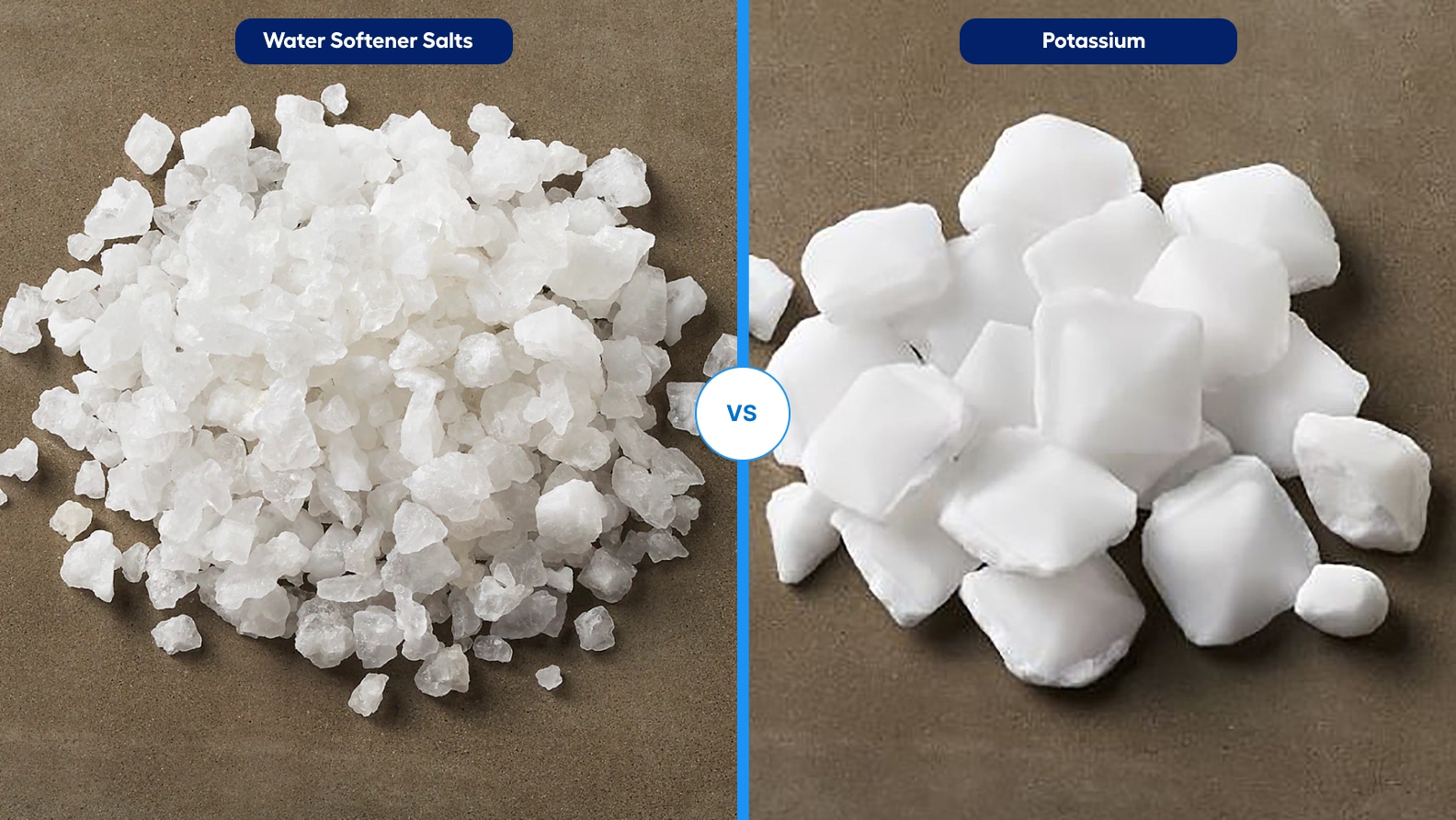
Many homeowners face the challenge of choosing the right solution to soften their water. When it comes to water softeners, two popular options stand out: salt and potassium. Each has its own set of benefits and costs, which might leave you wondering which is the best fit for your needs and budget.
Imagine saving money while enhancing the quality of your water. Sounds appealing, right? The choice between salt and potassium can significantly impact both your wallet and your home’s water supply. By understanding the cost differences and benefits of each, you can make an informed decision that could save you money in the long run. This article will guide you through the intricacies of water softener salt versus potassium, focusing specifically on cost. You’ll discover insights that can help you make the most cost-effective choice for your home. So, before you make a decision, let’s dive deep into the details and see how each option could affect your finances. Keep reading to find out which one is the true winner for your household.
Water Softener Salt Basics
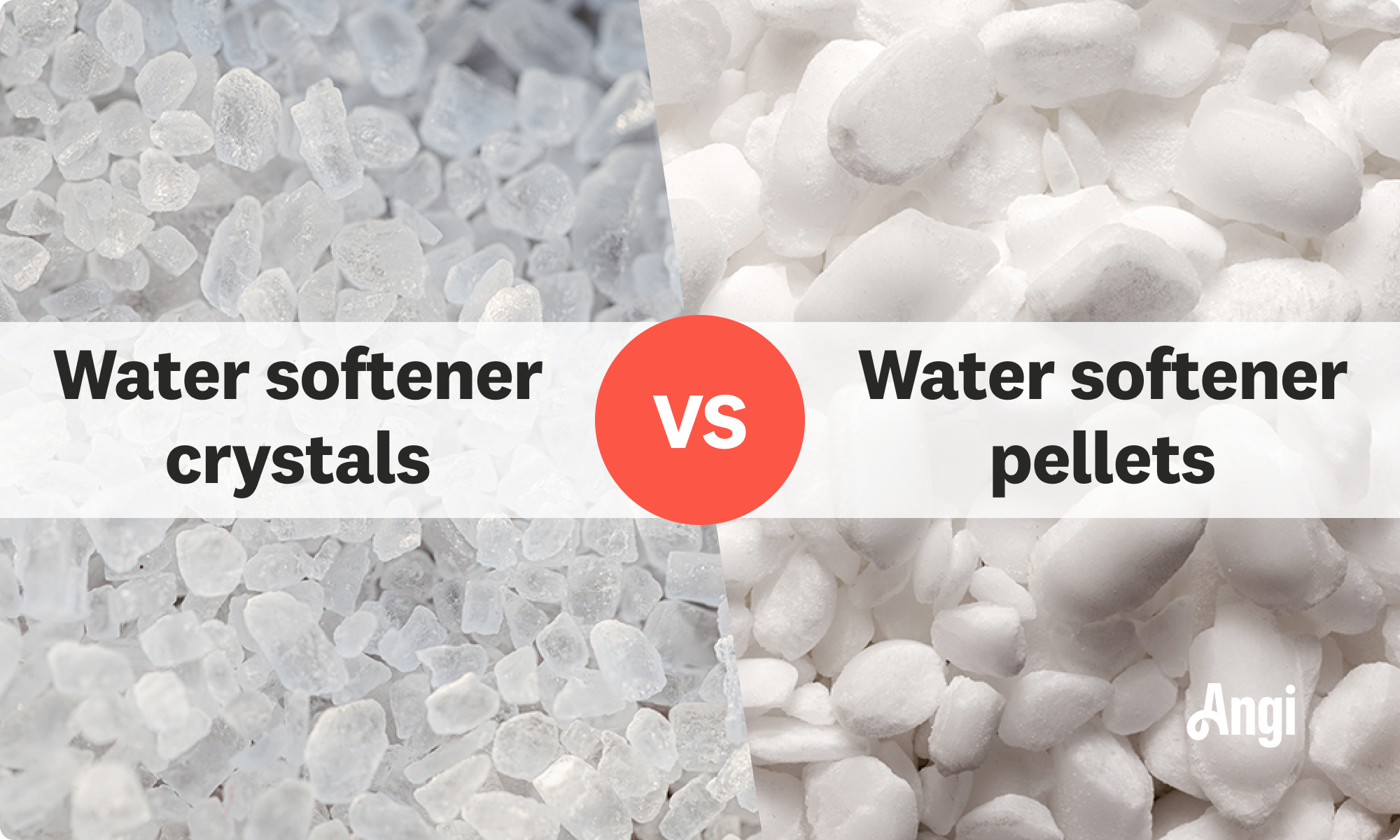
Water softeners use different types of salt. Common types include rock salt, solar salt, and evaporated salt. Rock salt is mined from the ground. It is less refined. Solar salt comes from evaporated seawater. It is cleaner than rock salt. Evaporated salt is made through advanced processes. It is the purest. Each type has its own cost and effectiveness. Choosing the right salt can affect the performance of your softener.
Salt plays a key role in water softeners. It helps remove minerals like calcium and magnesium. These minerals make water hard. Softener machines use salt to exchange ions. This process turns hard water into soft water. Soft water is better for washing and cleaning. It protects pipes and appliances from damage. Using the right amount of salt is important. It keeps your water softener working well.
Potassium Chloride Overview
Potassium chlorideis a type of salt used in softeners. It helps to remove hard mineralsfrom water. This makes water easier to use. It keeps pipes clean. Potassium is also better for plants. It helps them grow strong. Using potassium chloride can be a good choice for homes with gardens. It is less harshon the environment.
Soft water feels nice on skin. It helps soap work better. Clothes can be washed softer with soft water. Potassium chloride helps achieve this softness. It is a good choice for many homes. People may choose it for its benefits. It is important to know its cost.
Cost Comparison Factors
Saltis usually cheaper than potassium. Salt prices change less. Potassium prices can go up and down. This depends on the market. Salt is often more stable. Potassium can be more costly for homes.
Using potassium can be a good choice for health. But it may cost more over time. Salt may save money in the long run. Think about how often you buy. Salt needs less replacing. Potassium may need more purchases. Plan your budget wisely.
Environmental Impact And Costs
Salt from water softeners can harm fish and plants. It increases salinity in lakes and rivers. Animals and insects struggle in salty water. Soil near water bodies can also suffer. Salt may damage crops and trees. This can hurt farming and forests. Cleaning salt from water is costly.
Potassium is better for the environment. It helps plants grow strong. It does not harm the soil or water. Potassium supports healthy ecosystems. It is a safer choice for nature. Less pollution means cleaner rivers and lakes. People and animals benefit from this choice.
Health And Safety Considerations
Salt can raise blood pressure. High blood pressure is risky. People with heart problems should be careful. Salt can also dry skin. Dry skin can cause itching. It is important to drink more water. Drinking water helps skin stay soft. Salt can make water taste funny. Some people don’t like salty water. People should know how much salt is in their water.
Potassium is good for the heart. It helps muscles work well. Muscles need potassium to move. People with weak muscles need it more. Potassium keeps bones strong. Strong bones are important. It helps the body balance fluids. Fluid balance is necessary for health. Potassium can help lower blood pressure. This is good for many people. Eating fruits and vegetables gives potassium. Bananas are a good source.

Practical Budgeting Tips
Budgeting helps manage money wisely. Start by listing all expenses. Include both fixed and variable costs. Fixed costs stay the same every month. These are rent, utilities, and loans. Variable costs change each month. Think groceries, entertainment, and fuel. Always set aside some money for unexpected expenses.
Switching from salt to potassiumcan be a smart choice. Potassium is often more expensive than salt. But it is better for health and the environment. Calculate the cost difference to understand impact on budget. Look for discounts or bulk purchase options. This can help save money over time.
Making The Right Choice
Consider family size and water usage. Bigger families use more water. So they need more softening. Water quality matters too. Harder water might need more treatment.
Budget is another factor. Salt is often cheaper. Potassium is kinder to the environment. But it costs more. Check if anyone in the family has health concerns. Some people prefer potassium for this reason.
Think about cost in the long run. Salt needs more frequent refills. Potassium can be less frequent. Availability is key. Salt is easy to find. Potassium might not be in all stores.
Environmental impact is another point. Salt can harm plants. Potassium is better for gardens. Decide based on what’s best for your family and garden.

Frequently Asked Questions
What Is The Cost Of Water Softener Salt?
Water softener salt costs vary based on brand and quantity. Typically, a 40-pound bag ranges from $5 to $10. Bulk purchases can offer savings. Costs may also differ due to regional price differences and availability. Comparing prices from various suppliers can help ensure the best deal.
How Does Potassium Compare In Price To Salt?
Potassium is generally more expensive than salt for water softening. A 40-pound bag of potassium chloride can cost between $25 and $30. The higher cost reflects production expenses and material sourcing. Despite the price, some prefer potassium for environmental benefits and reduced sodium intake.
Why Is Potassium More Expensive?
Potassium is pricier due to its production process and sourcing. Extraction and refining add to the cost. Additionally, potassium chloride is less abundant than sodium chloride, impacting its market price. The benefits of potassium often justify the higher cost for health-conscious consumers.
Are There Benefits To Using Potassium?
Yes, potassium offers several benefits over salt. It reduces sodium discharge into the environment, promoting healthier ecosystems. Potassium is also better for individuals monitoring their sodium intake. Despite higher costs, these advantages make potassium a preferred choice for some households.
Conclusion
Choosing between water softener salt and potassium depends on your budget. Salt is generally cheaper but may affect health. Potassium costs more but is eco-friendly. Consider your water needs and household priorities. Weighing cost against benefits helps in decision making.
Both options soften water effectively. Evaluate long-term expenses and environmental impact. Ultimately, the choice reflects personal preferences. Think about what’s best for your home and health. Make an informed decision for effective water softening. Your choice makes a difference in quality and savings.
Read More:
- Best Home Water Filtration Units: Top Picks for Clean Water
- Diy Hydroponic Grow System Guide: Cultivate Success
- Mini Hydro System Feasibility Study: Unlocking Eco Solutions
- Chemical Dosing Pump Pricing Guide: Maximize Your Investment
- Diaphragm Pump Cost Comparison: Affordable Options Unveiled
- Hydroelectric Dam Maintenance Cost Analysis: Cutting Costs
- Commercial Water Filtration System Cost: Save Money Today
- Diaphragm Pump Maintenance Tips: Ensure Peak Performance


